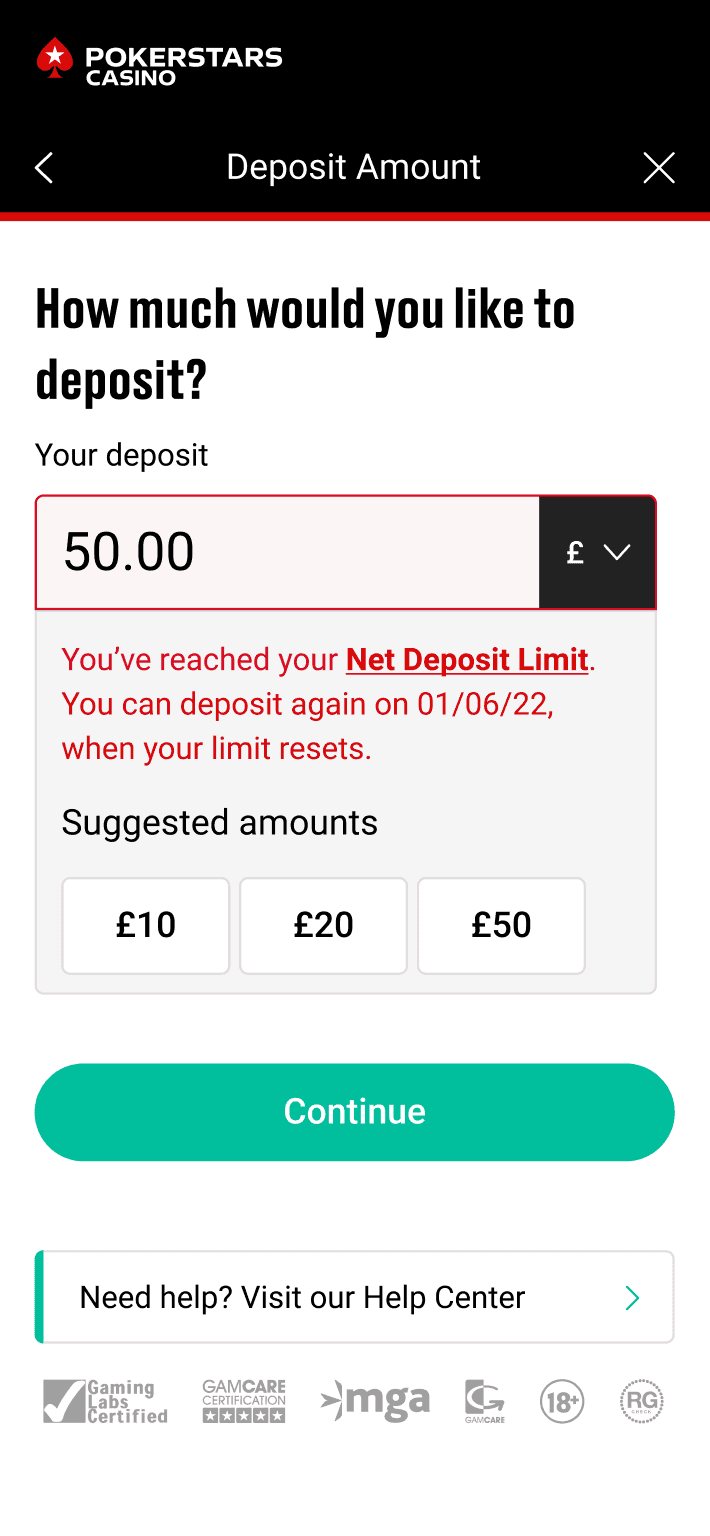
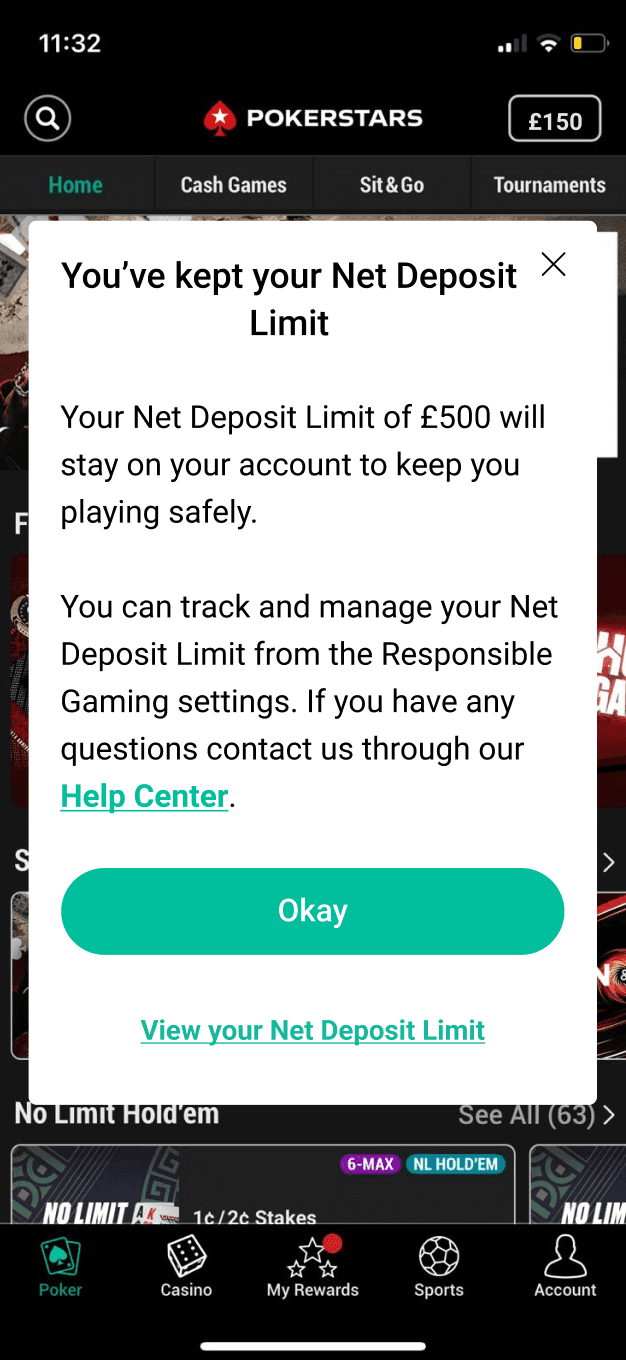
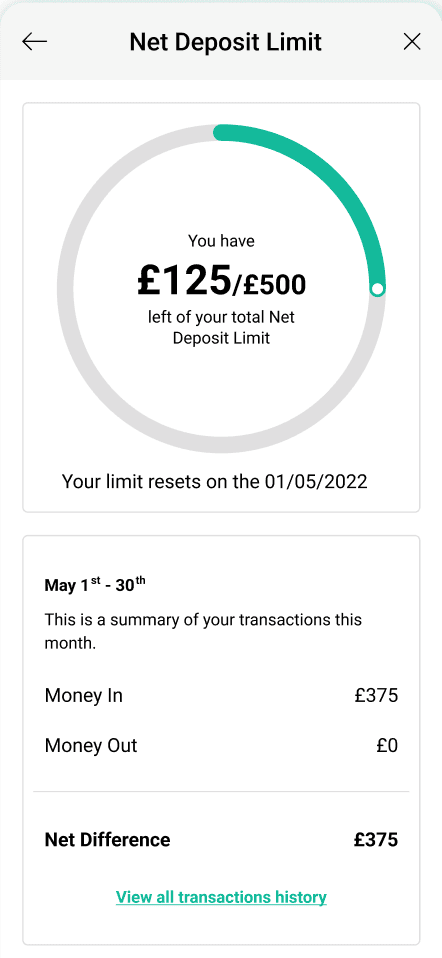
The co-creation of an app that helps our neurodivergent user to navigate their local shop through the pre-planning and location of their items. Team project with an added individual contribution.
Project Overview
Design Process
To apply user-centred techniques, iterative prototyping, testing, and a co-design process with our users to help create a personalised and tailored solution to a common challenge our partner experiences.
Technologies Used
Figma for design & prototyping
Challenges Faced
Time restraints meant we had a restricted amount of usability testing opportunities with the end user
Team members had varying levels of familiarity with UX design and processes
Disciplines
Accessibility & Inclusive Design
UX Design & Research
Context
3rd year Inclusive Design Project 2023
Team & Timelines
Group project: 44 hours over 2 months
James (User Centred Design student), Isabella (Industrial Design student), Zoe (Interior Design student), myself (User Centred Design student)




Research & Discovery
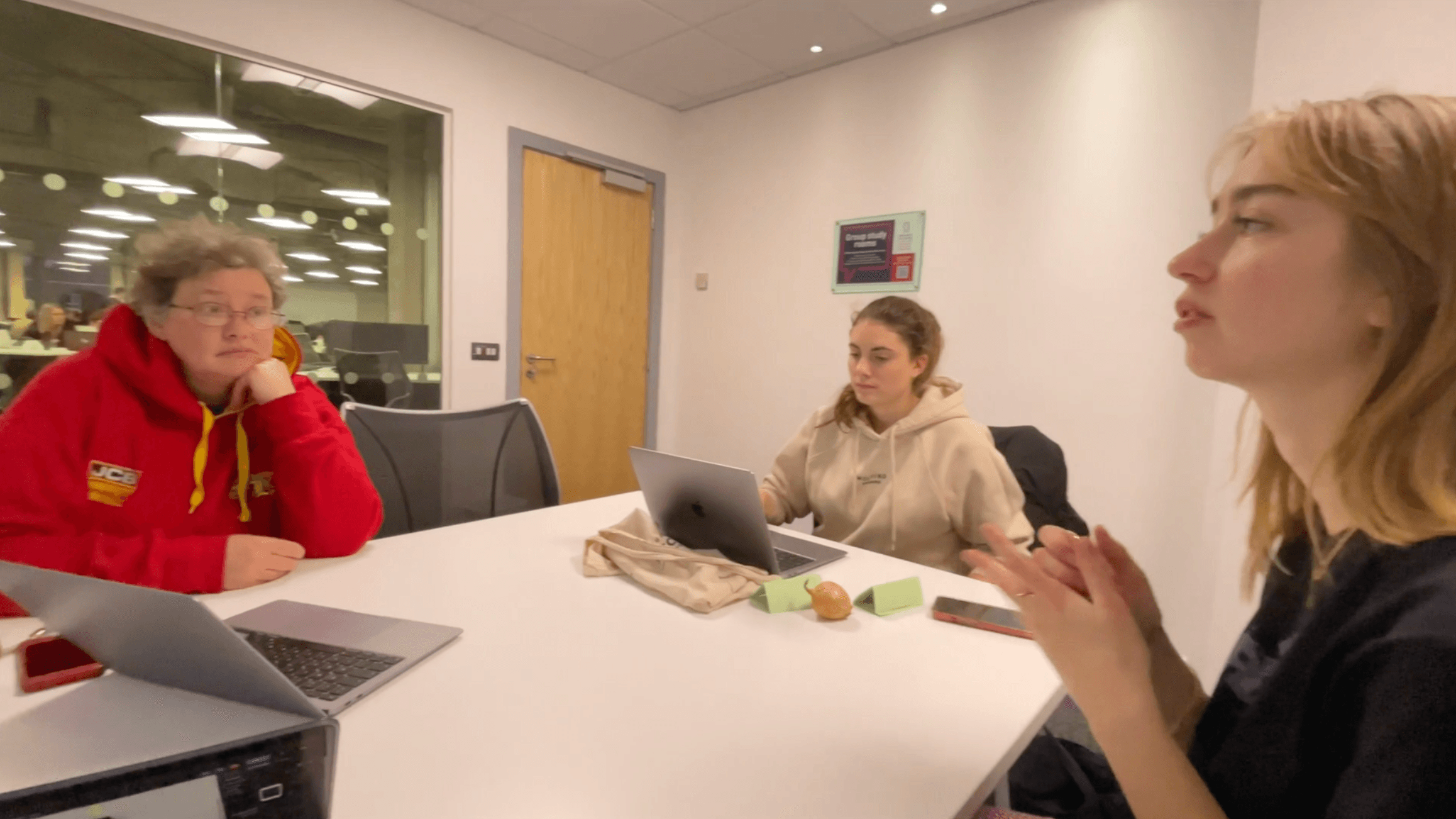
To explore the problem space and identify potential areas of improvement
In what ways has she been excluded by systems, services and products specifically in relation to autism or deafness?
What systems does she use to manage these issues?
What is her digital proficiency and what is her behaviour towards her tech devices?
Navigating supermarkets and scheduling meals were areas that particularly affected her as a High Functioning Autistic (HFA) person.
Online & Whitepaper
Data set
Research Papers, Charity Reports and Digital Community Forums such as Reddit
Key Insights
Most HFA people find issues around routine changes and unexpected events.
More than 2/3 of people with autism avoid going shopping, as supermarkets are unaccessible.
Shopping online isn’t an option for some people with autism as they might use their senses to chose products.
Shopping can pose communication struggles, changes in routine and sensory-sensitivity.
Tools such as alarms and calendars are tools that assure HFA people.
Ideo's book: Design Research Ethics
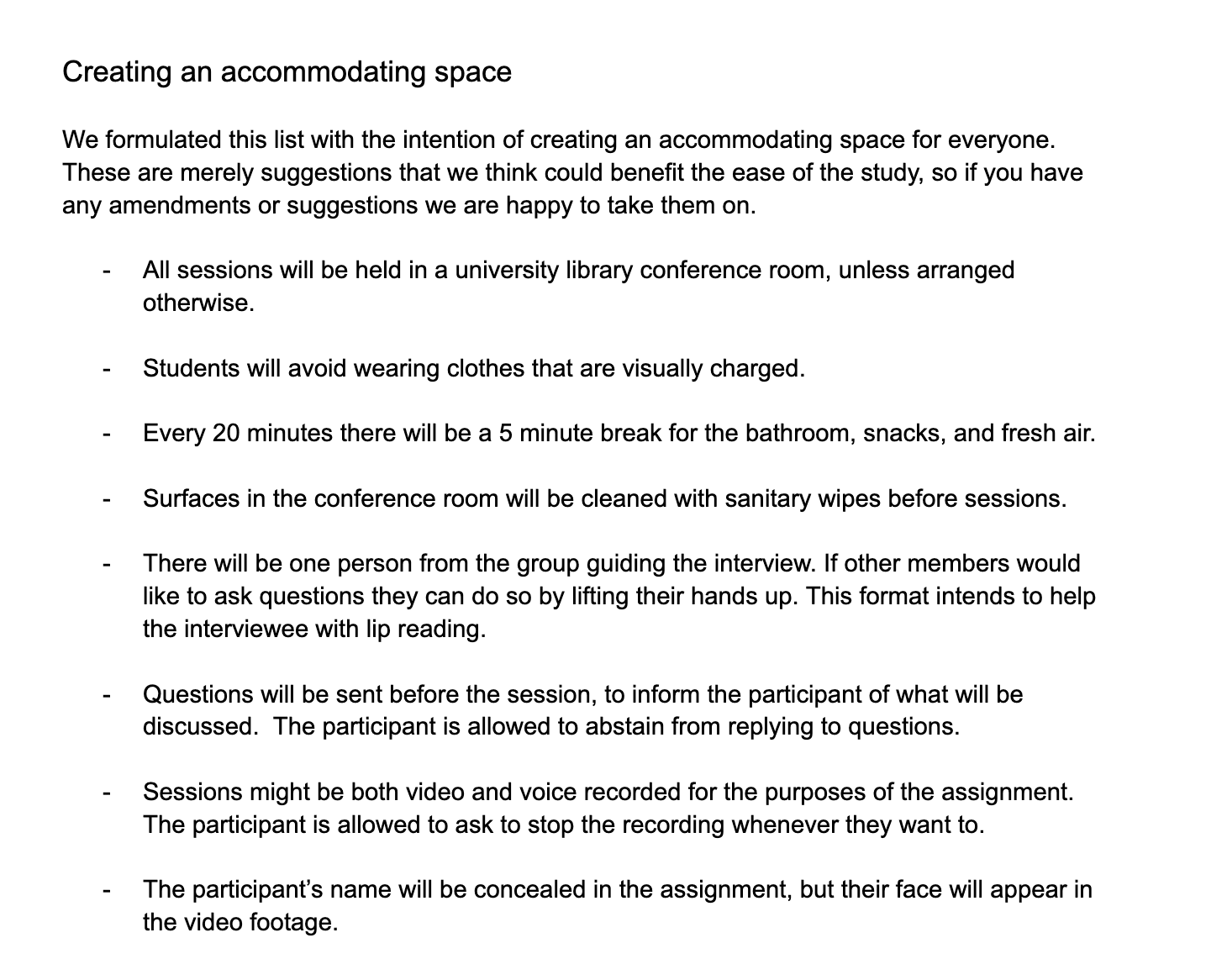
Purpose
To create guidelines to ensure our research process was accommodating and responsible. These were positively received by her.
problem statement
Rebecca needs the tools to easily plan, anticipate and locate items in her local Tesco, in order to have the confidence and ability to complete shopping trips independently.
Pains Points
Being reliant on support worker
Changes with supermarket layout
Overwhelmed with changes to her routine
Video Overview of the Project

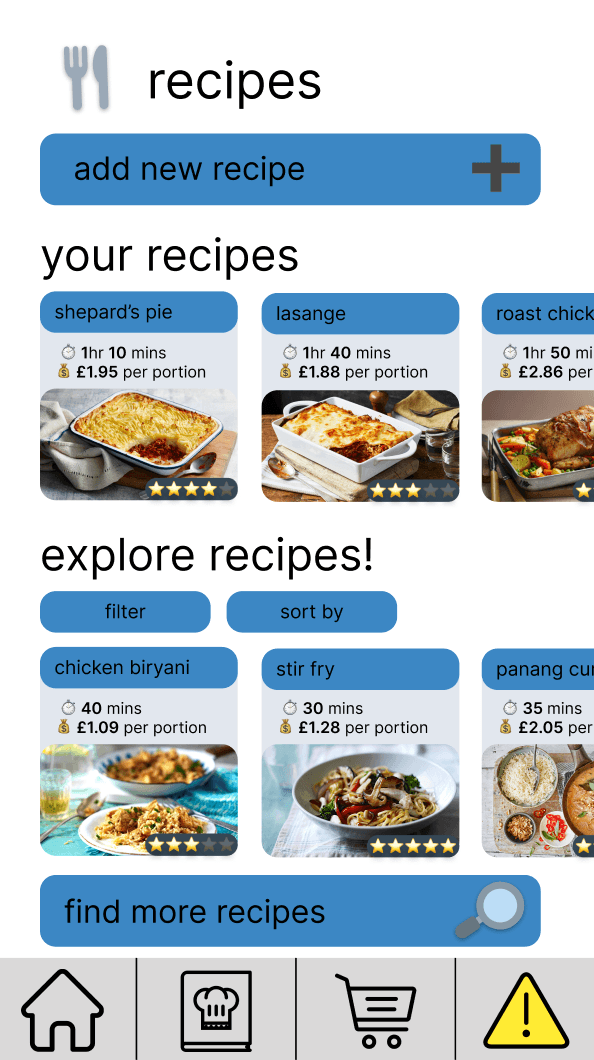

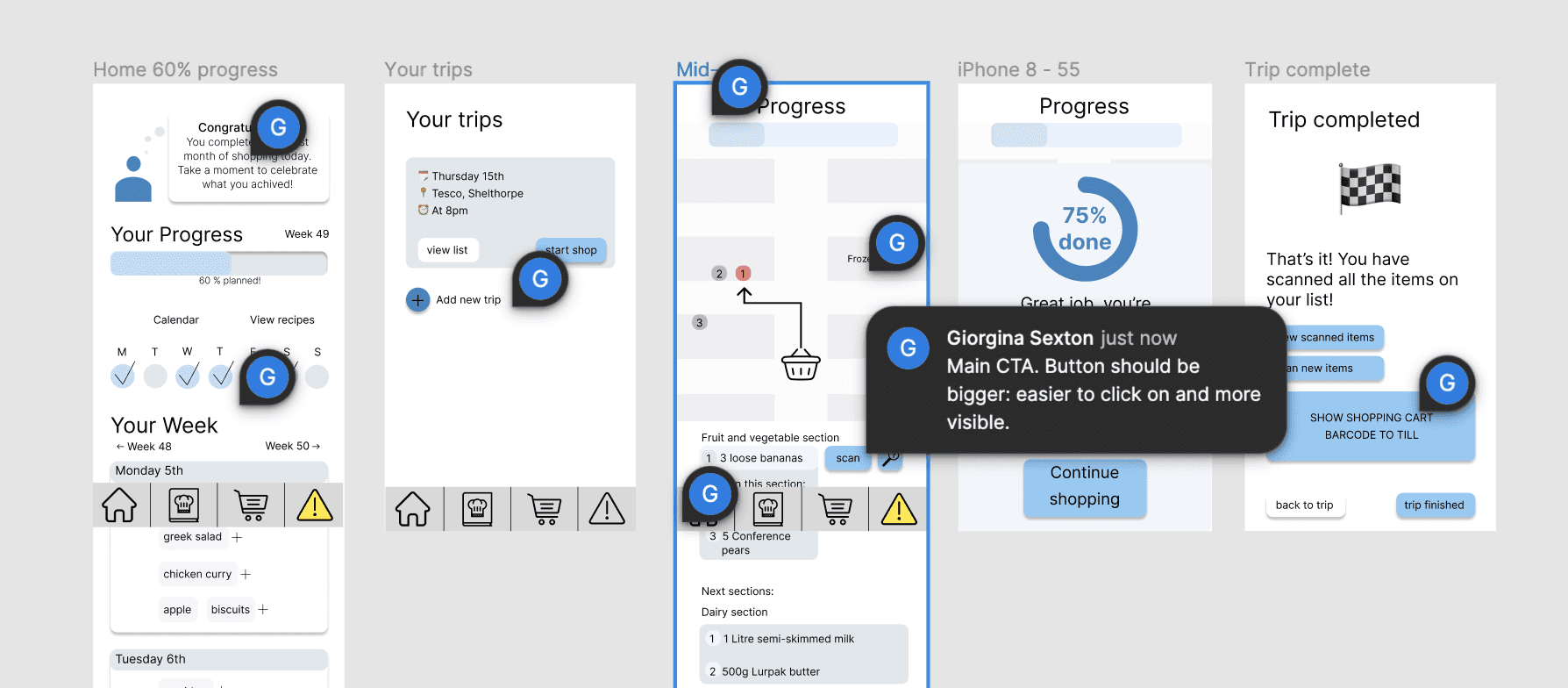
In the video we can appreciate the screens for some of the key journeys that were prototyped. Each team member was assigned a separate journey to prototype and together we brought them together.
Reflection on the first part of the project
New roles & team work
As the most experienced in the group with UX, I naturally took the team leadership role and managed the project's timings and different milestones.
Different skills were distributed amongst team members allowing for teaching and learning.
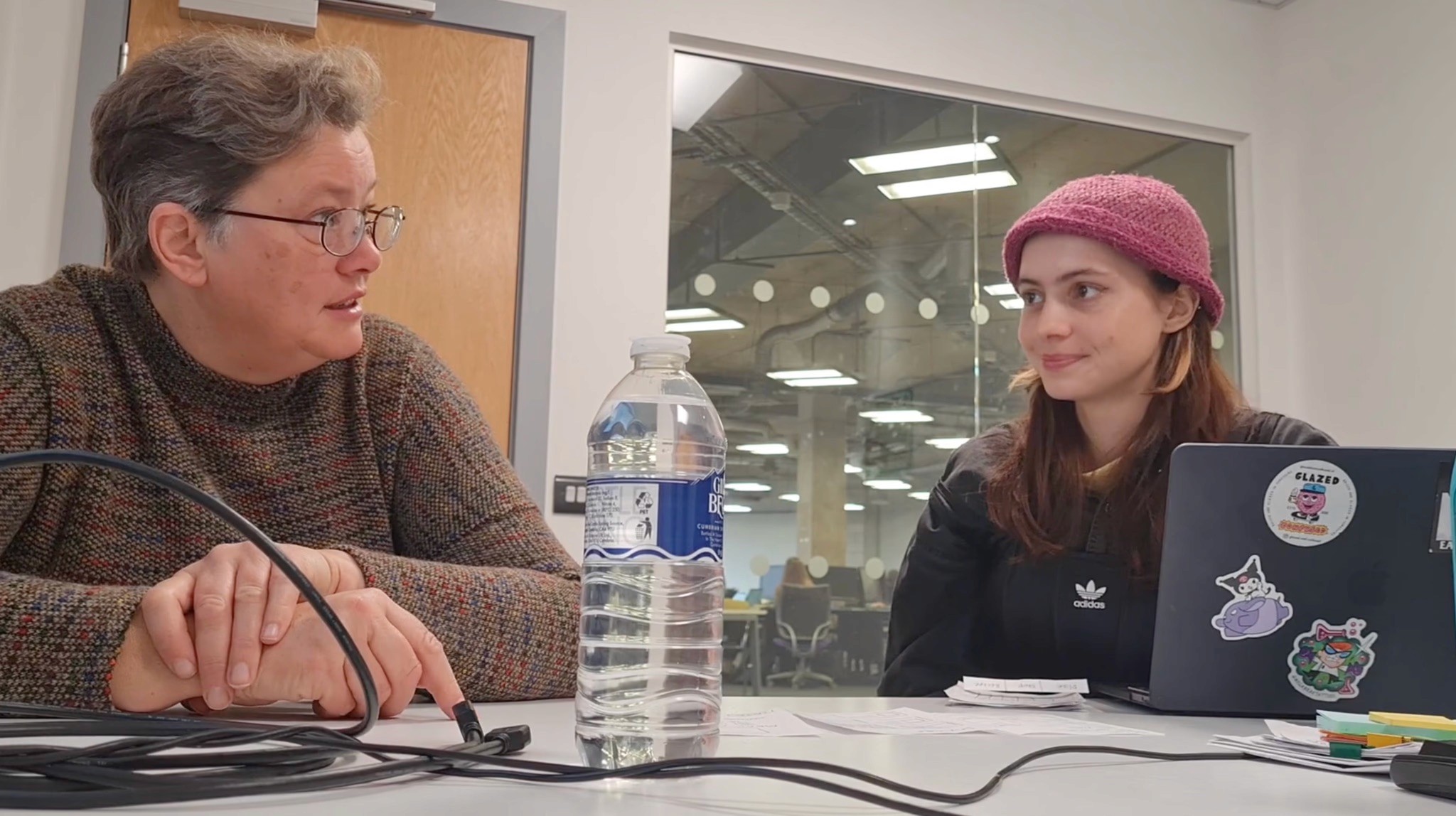
Something that was lovely was the group's friendliness that created a warm and inviting environment for the participant.
Reflections on the project
Further usability research is definitely needed and different methods such as body-storming or in-situ testing would uncover context-specific insights.
A major mistake was assigning different journeys to different team members when a design language hadn't been defined yet leading the final design to lack visual consistency.



Keep scrolling for my individual continuation of the project! ⬇️
Individual continuation
Aim & Process
To further develop the product’s accessibility for a wider audience. Explore the commercialisation of the product.
Technologies Used
Figma to design & prototype
Challenges Faced
To deliver a solution in a matter of days without the clearance for further testing.
An initial design that needs a lot of refinement.
An individual review of the previous project to proceed with the improvements
Interdisciplinarity
Accessibility
UX & UI Design & Research
Project
3rd year Inclusive Design Project - Individual contribution
Team & Timelines
Individual design refinement: 6 hours

Final Solution

Help

Pull up to see more
Cereals: aisle 6
Tesco Scottish Porridge Oats 1Kg

3. Fruit & Veg
4. Household
8. Dairy
7. Frozen
5. Bakery
Fruit & Veg
2. Clothing
✅
👋
6. Cereals
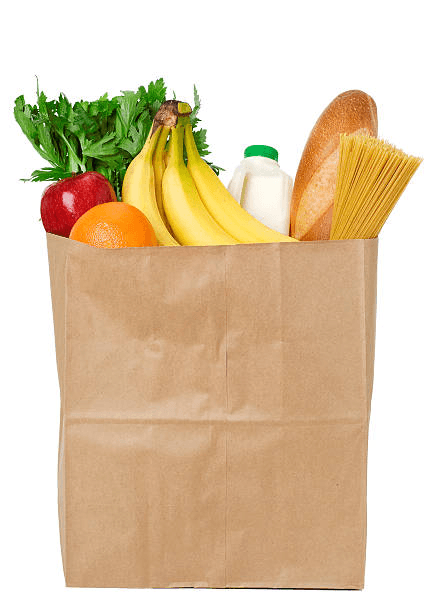
Well done 4 items left to go
SCAN
Skip item
Neurodivergence
Need
Anticipated organisation
Reminder of task at hand
Shop assistance
Design implementation
Ability to seek for assistance: 'Help'
Colour as a visual indicator: green tick showing completion
Use of images with words: item and item name
Easily recover from errors: 'skip item' option
Use of action words for CTAs: 'scan'
Digital breach
Need
Easy adaption to digital system
Learnable and recognisable interface
Design implementation
Scroll action or drop down information rather than screens hidden behind clicks
Visual consistency across screens and interactive elements
Simple interfaces, large buttons and options to recover from errors
Easily access assistance and other help
Confirm choice
Chose different store
Cancel new trip
You’ve selected:
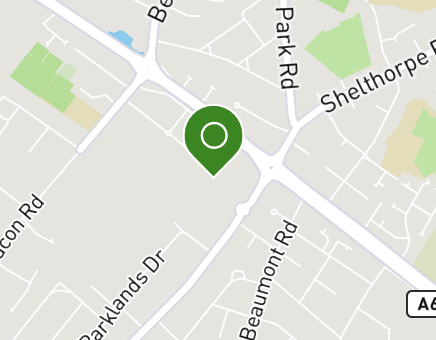
Loughborough
Tesco Extra
Open in maps
Park Rd, LE11 2EX
Automatic doors
Accessible parking
Defibrillator
Seat(s) available
Wednesday
Saturday
9 AM - 10 AM
9 AM - 10 AM
For customers who want a calmer shopping experience

Accessibility
Opening times & busyness
Quieter hours & slow check-outs
More information on this store
i


Vision impairments
Need
Identify items in visually heavy environments
Limitations with app interaction
Design implementation
Consistent difference between primary and secondary CTAs
Providing images in conjunction to text
Using colour as an indicator
Visual indication of items in isles
Application of accessibility web standards - WCAG 2.1
Ability to make map larger if needed
Physical mobility limitations
Need
Reach or have access to items that are high up on shelves
Anticipate and estimate the length of a shopping trip
Design implementation
Accurate organisation and localisation of items in the shop
Several help options
Shopping time estimation
Large CTAs








Potential commercialisation
Wider adoption
The developed design and system aims to simplify and facilitate the routinely experience of shopping for many households.
Who else can benefit?
People in a rush who what to locate items quickly
People on a budget to keep to their list
People new to a shop, especially larger ones
Carers for meal planning and expense tracking
Relevance to Tesco
This concept understands and involves the wider experience of food shopping, deepening the connection between the customer’s life and the brand.
Data tracking & marketing
This would be a more accurate way of collecting data on how customers use their ingredients, an opportunity to upsell certain products and drive customers to different parts of the store.
future iterations
Proof of Concept - Key Metrics

Time to goal
Is the map successful in showing the accurate location of items?
Success/failure
Are people managing to find all the items? Does the map provide an accurate indication of the location?
Customer retention/return rate
Are users returning and how frequently?
Growth rate
Are different customers coming to buy through the new service?
Possible AI integrations to enhance the Customer Experience

Personalised product recommendation
Give recommendations of extra ingredients or substitutes for improved nutritional value.
Most efficient path
Using predictive analytics and dynamic rerouting to avoid congestion.
Image recognition
Fast recognition and scanning of items through the camera
Some final words …