A VR Sleep Enhancement System for Astronauts on Long-Haul Missions

A VR Sleep Enhancement System for Astronauts on Long-Haul Missions

A sleep system for astronauts using biometric tracking and immersive VR to counteract circadian disruption and improve well-being during long-haul space missions.
Project Overview

Design Process

Research-led and iterative, involving concept ideation, exploration of behavioural science and environmental psychology, with emerging tech like VR.


Technologies Used

VR conceptually, AI visual ideation, Biometric wearables conceptually


Challenges Faced

  • Creating a sleep solution that works within the physical, psychological, and operational constraints of space travel

  • Mitigating negative effects of blue light with respect to sleep

  • Understanding the complexities of physics in microgravity

Interdisciplinarity

Space physiology, environmental psychology, wearable tech, VR for therapy


Roles & Responsibilities

Sole researcher, designer, and presenter of the concept; synthesised research and proposed speculative but grounded product system.


Team & Timelines

Individual project presented in academic/proposal setting; informed by existing NASA research and astronaut reports.

3 hours a week over 2 months

Research & Discovery

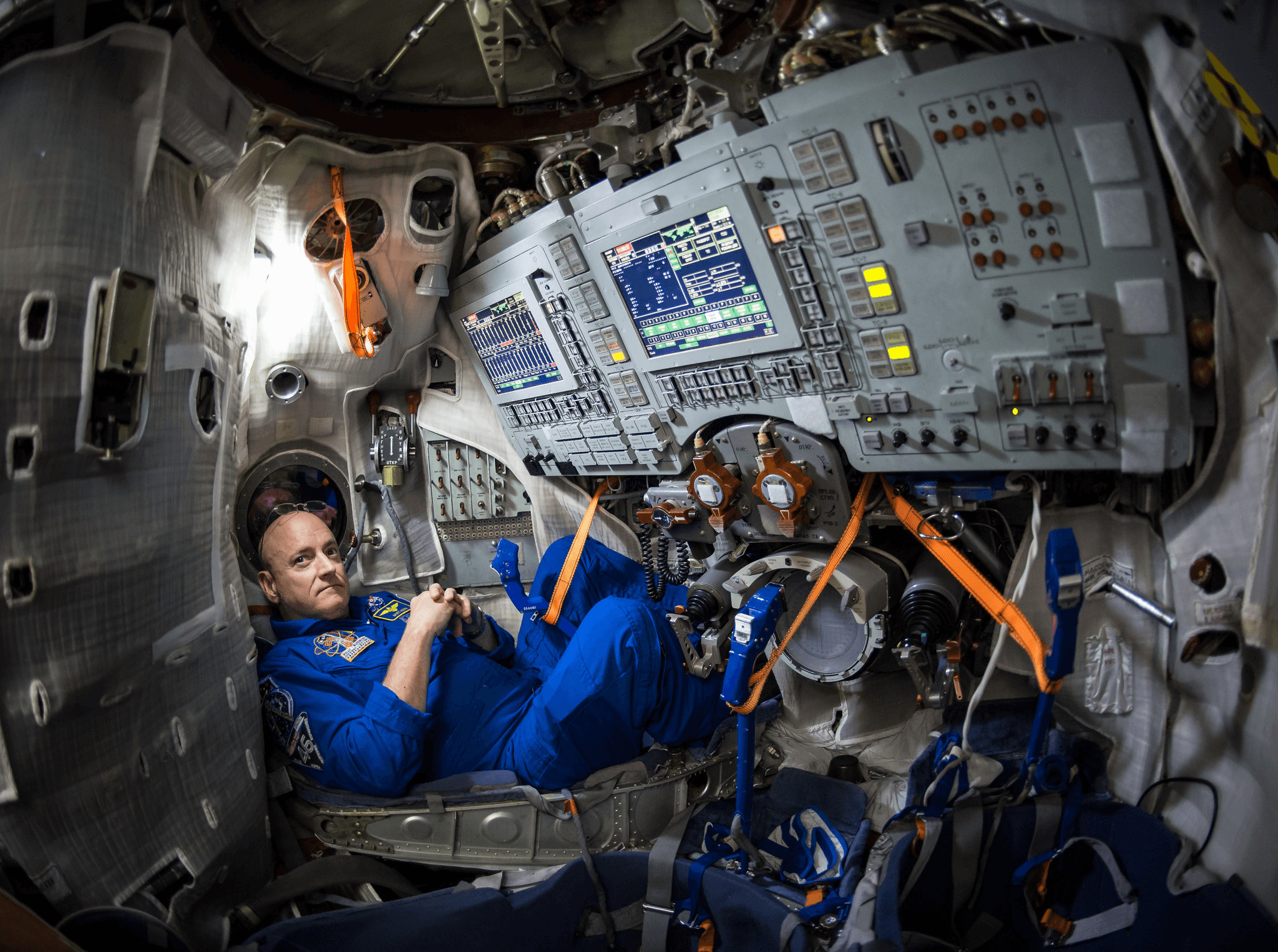
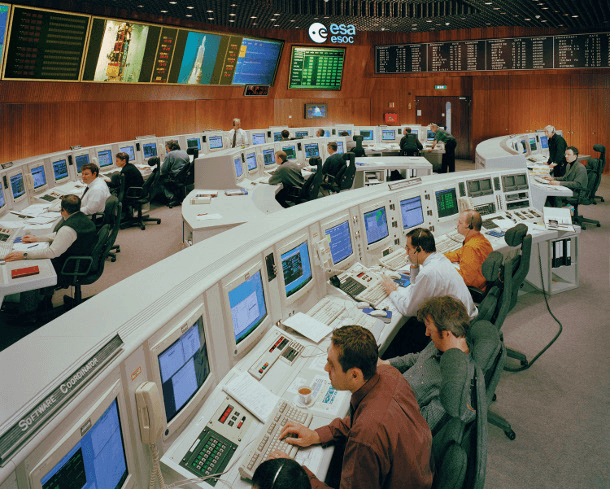
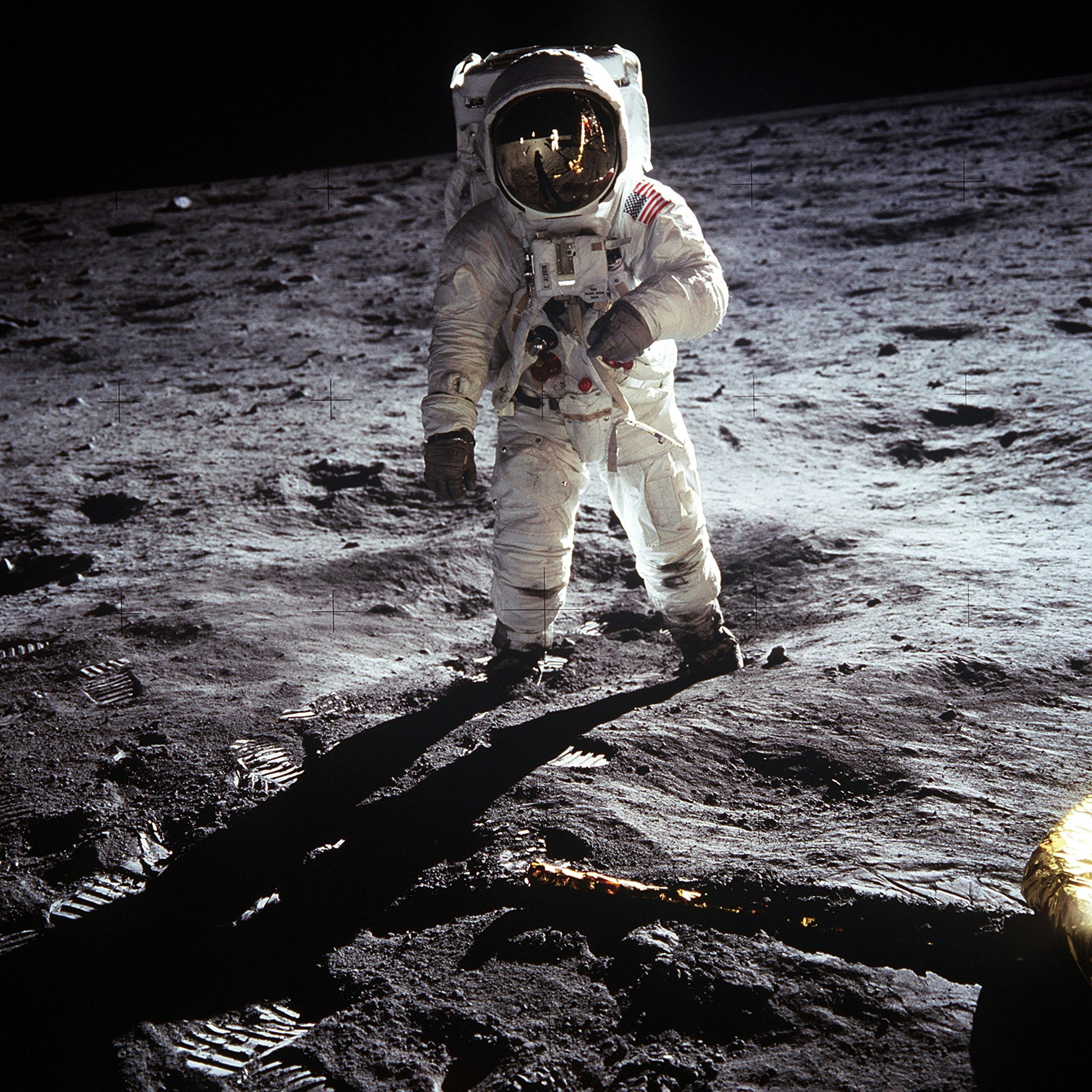
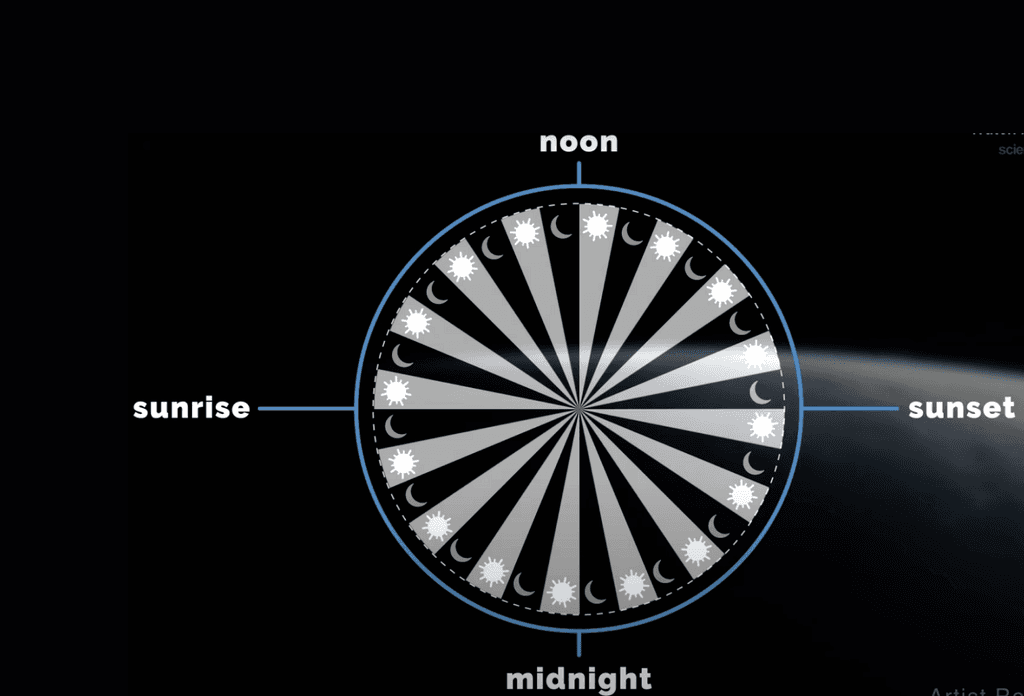
From the International Space Station, astronauts experience 16 day-night cycles every 24 hours

The ISS orbits the earth every 90 minutes, so astronauts aboard can experience 16 sunrises and sunsets in 24 hours. This is the main cause of circadian misalignments - confusing the body’s internal clock that regulates sleep and work processes. Basically, on earth we can roughly tell the time of day by looking at the sky, whereas in space there is no visual indicator of this.
diary studies

Astronauts perceive an arbitrary notion of the passage of time and tend to face sleeping problems. The only solutions at hand, sleeping pills, earplugs and masks only seem to give temporary solutions.

“It’s 21:30, only 6.5 hours until duty calls. Time to get some sleep. If I could only lower my level of excitement!”- 2017
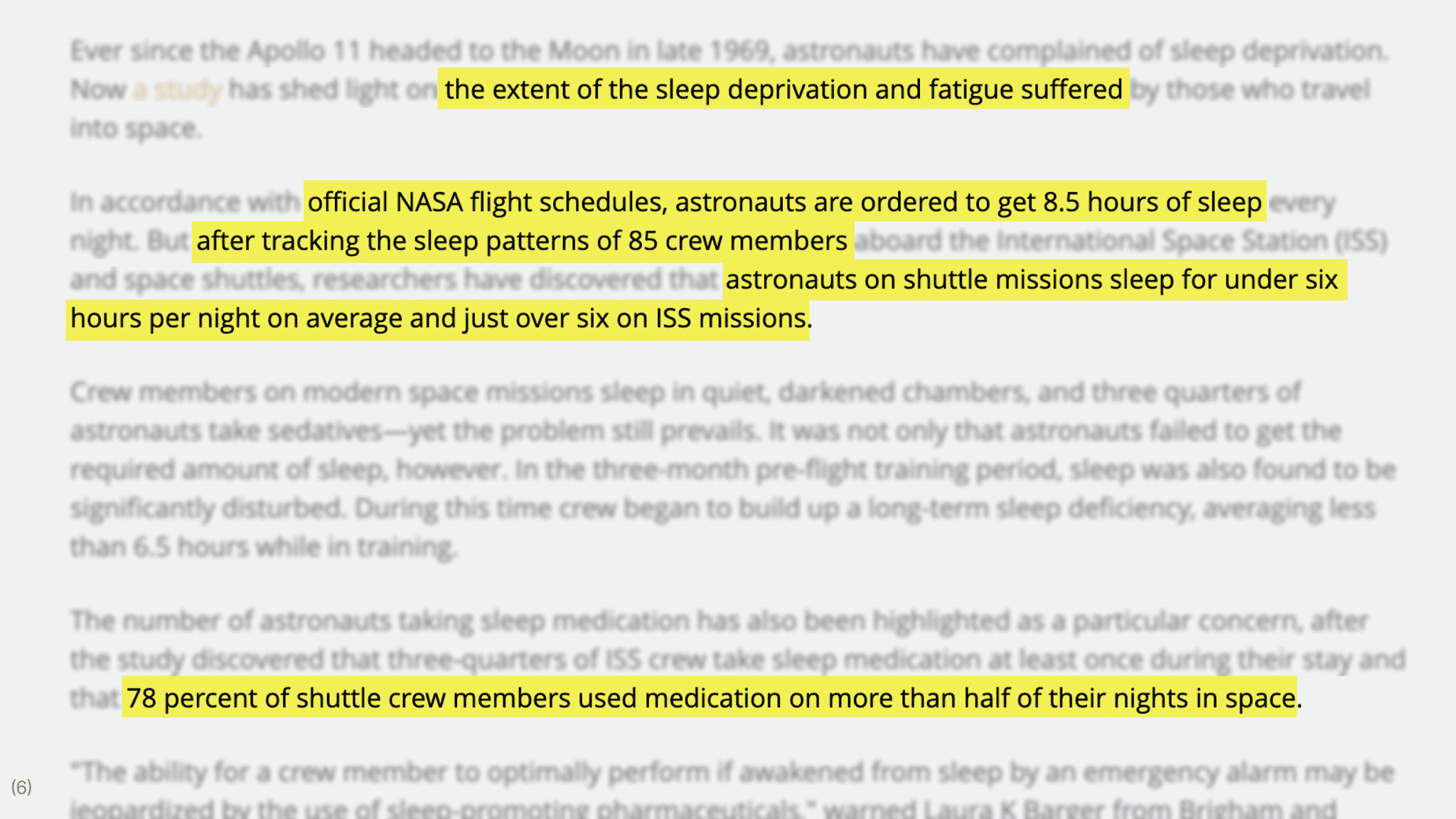
“... when one is working long hours without refreshing breaks, the passage of time could seem to expand or contract. Worse, the amount of time left in a mission could become difficult to gauge. “ - Undefined

“... when one is working long hours without refreshing breaks, the passage of time could seem to expand or contract. Worse, the amount of time left in a mission could become difficult to gauge. “ - Undefined

“I even got 4 hours of sleep the first night and nearly 6 hours the second night.”- 2018

“I even got 4 hours of sleep the first night and nearly 6 hours the second night.”- 2018

In the short term, sleep loss can reduce the crew’s work performance, whilst in in the long-term, extreme fatigue and depression are possible. This is exasperated if several or all crew members are having the same sleeping issues.
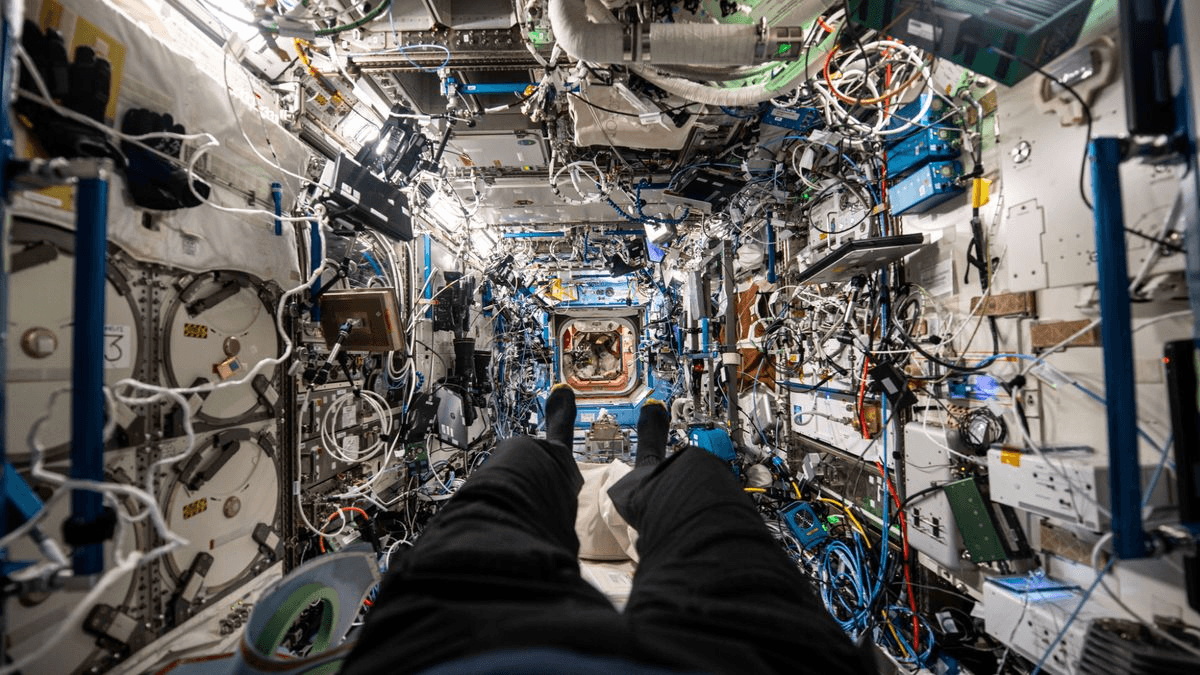
Environmental factors that impact sleep

Space Craft Design

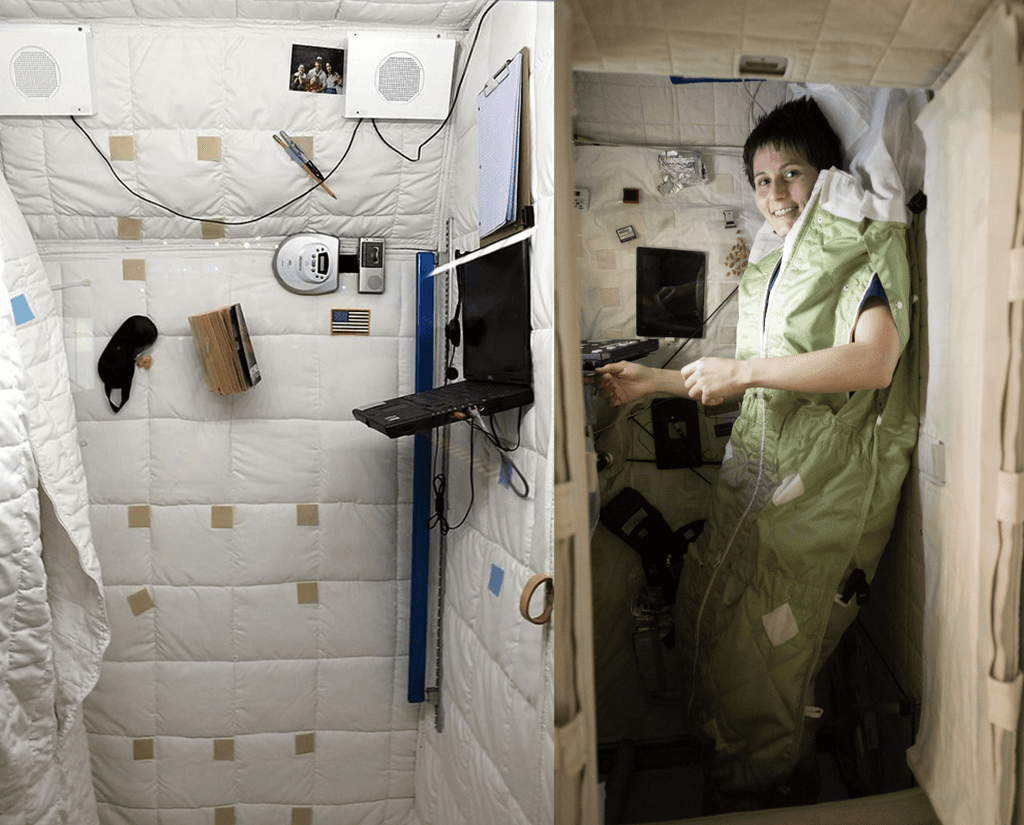
Sleeping Crew Areas

Confinement

Work Load

Environmental factors that impact sleep

Space Craft Design

This project used digital human modelling and AR technology to improve HGV road safety for vulnerable road users.

Sleeping Crew Areas

This project used digital human modelling and AR technology to improve HGV road safety for vulnerable road users.

Confinement

This project used digital human modelling and AR technology to improve HGV road safety for vulnerable road users.

Work Load

This project used digital human modelling and AR technology to improve HGV road safety for vulnerable road users.

Environmental factors that impact sleep

Space Craft Design

This project used digital human modelling and AR technology to improve HGV road safety for vulnerable road users.

Sleeping Crew Areas

This project used digital human modelling and AR technology to improve HGV road safety for vulnerable road users.

Confinement

This project used digital human modelling and AR technology to improve HGV road safety for vulnerable road users.

Work Load

This project used digital human modelling and AR technology to improve HGV road safety for vulnerable road users.

Key Stakeholder Involvement

Business needs

NASA and other space agencies need astronauts to be alert, healthy, and mentally resilient during long-haul expeditions for the results of the space expedition to be effectual.


Astronaut needs

  • Better sleep environments that support different sleep/relaxation habits

  • Tools to manage environmental stress on their sleep so they can feel agency in their sleep routine

“Sleep needs to be a priority. Tasks, experiments, and communications should be scheduled with the astronauts' requirements for sleep in mind. Provisions should be made for quality sleep. ”

NASA 2001

Refining the Scope & Technology

Problem Statement

How might we create a holistic service that improves sleep performance to enhance both the physiological and psychological well-being of astronauts in long-haul space expeditions?
Concept Exploration

Improving sleeping quarters

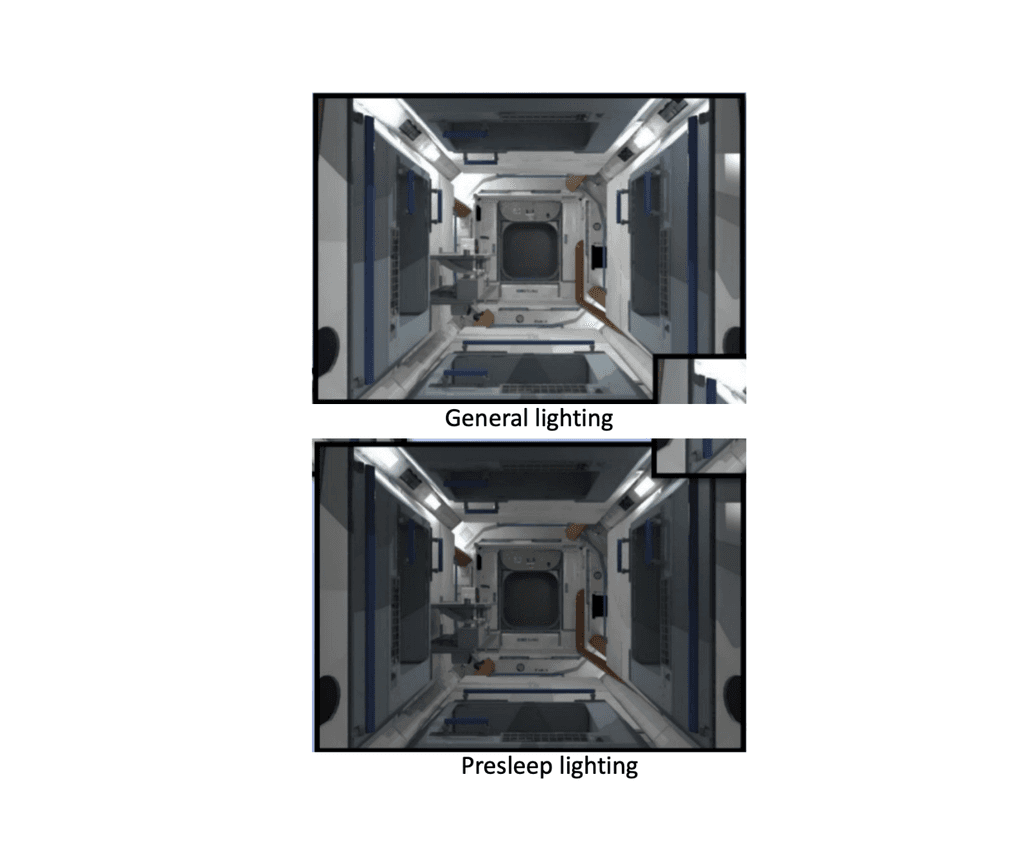
Adjusting lighting to astronaut's work-rest schedule

Using Virtual Realities to provide spaces for rest and prepare astronauts for sleep

Concept Exploration

Although the most obvious solution is to improve the ergonomics of the sleeping quarters, the main problems identified in the previous research don't relate directly to physical discomfort, rather to psychological and mental wellbeing.

Improving sleeping quarters

The adjustment of lighting inside the space shuttle could provide better circadian rhythm alignment by visually indicating work and rest times. This image is taken from a NASA research paper and this system could already be in development. Exploring this solution would involve testing and safety protocoling that are outside of the scope of this project.

Adjusting lighting to astronaut's work-rest schedule

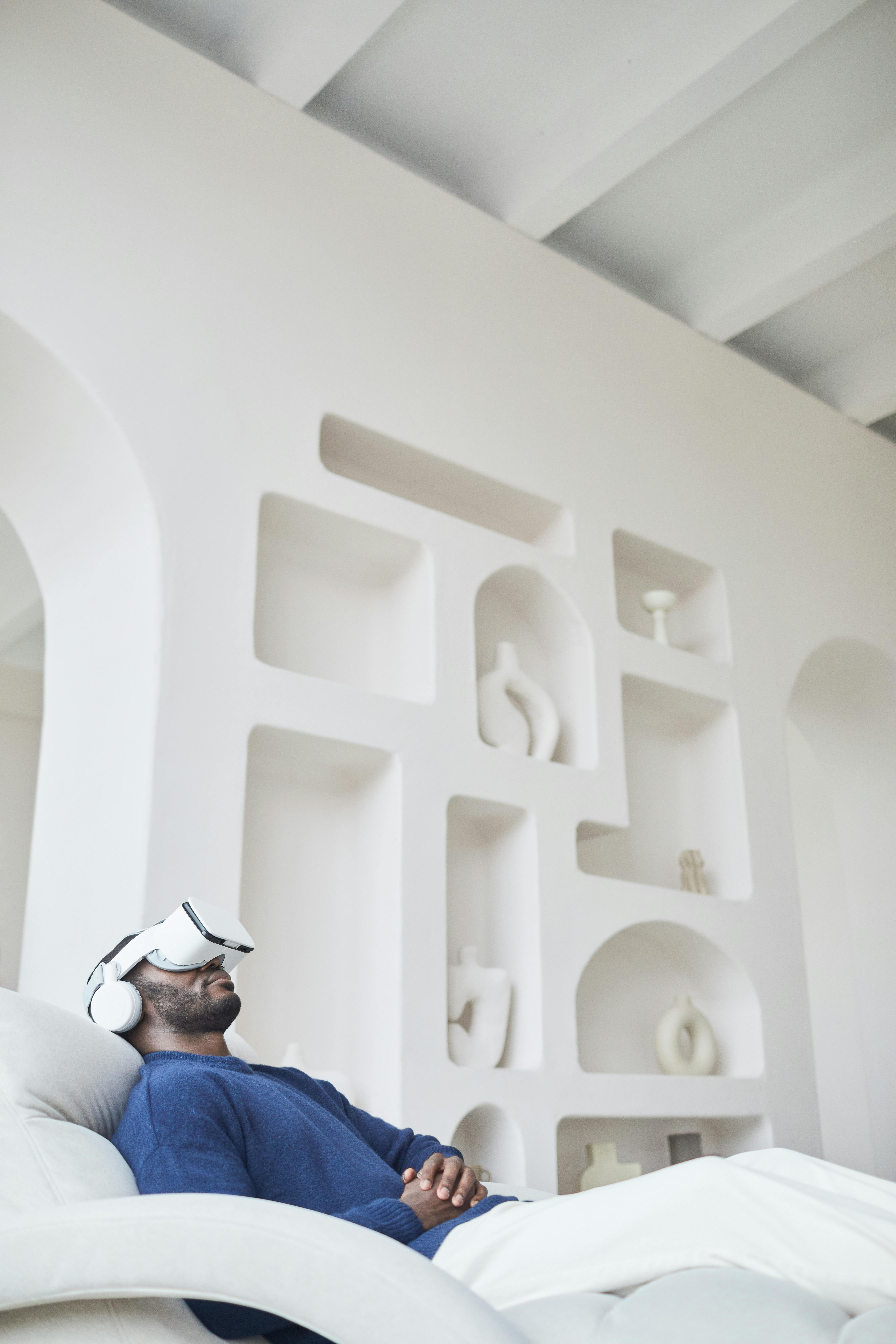
To tackle an issue that has so much to do with this extreme environment, it seemed like an interesting approach to use VR as it lends itself by nature to immersion into a different environment almost.


VR has been extensively researched and applied for psychological and physiological recovery such as PTSD and chronic pains.


Using Virtual Realities to provide spaces for rest and prepare astronauts for sleep

Concept Exploration

Although the most obvious solution is to improve the ergonomics of the sleeping quarters, the main problems identified in the previous research don't relate directly to physical discomfort, rather to psychological and mental wellbeing.

Improving sleeping quarters

The adjustment of lighting inside the space shuttle could provide better circadian rhythm alignment by visually indicating work and rest times. This image is taken from a NASA research paper and this system could already be in development. Exploring this solution would involve testing and safety protocoling that are outside of the scope of this project.

Adjusting lighting to astronaut's work-rest schedule

To tackle an issue that has so much to do with this extreme environment, it seemed like an interesting approach to use VR as it lends itself by nature to immersion into a different environment almost.


VR has been extensively researched and applied for psychological and physiological recovery such as PTSD and chronic pains.


Using Virtual Realities to provide spaces for rest and prepare astronauts for sleep

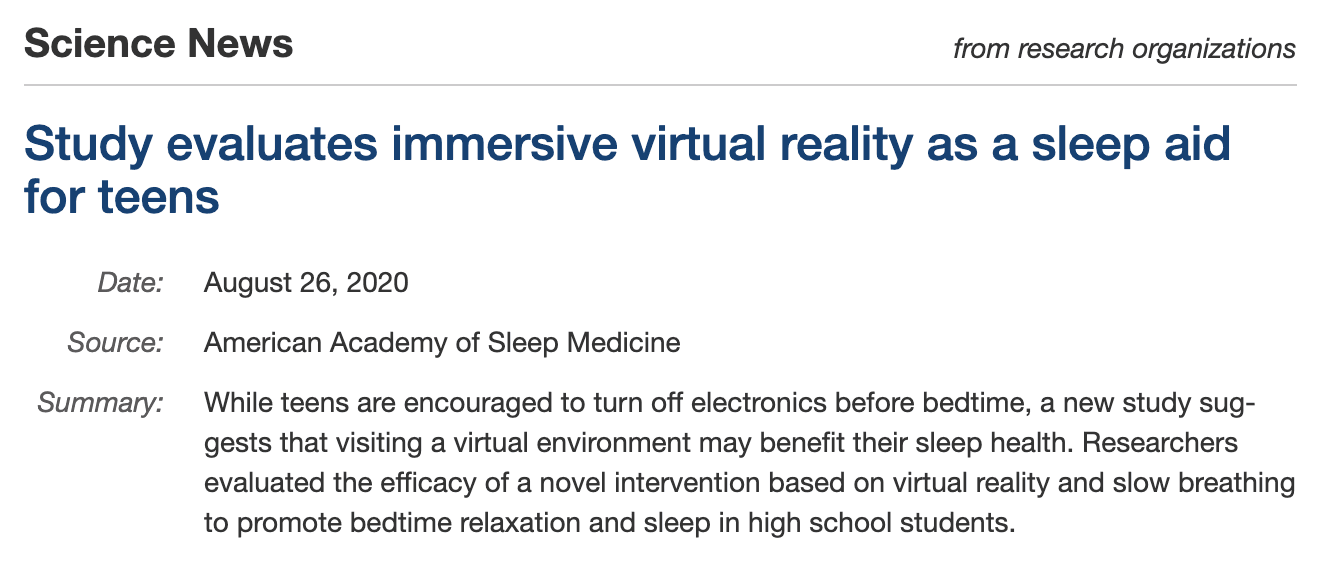
Research: VR for sleep

Research: VR for sleep

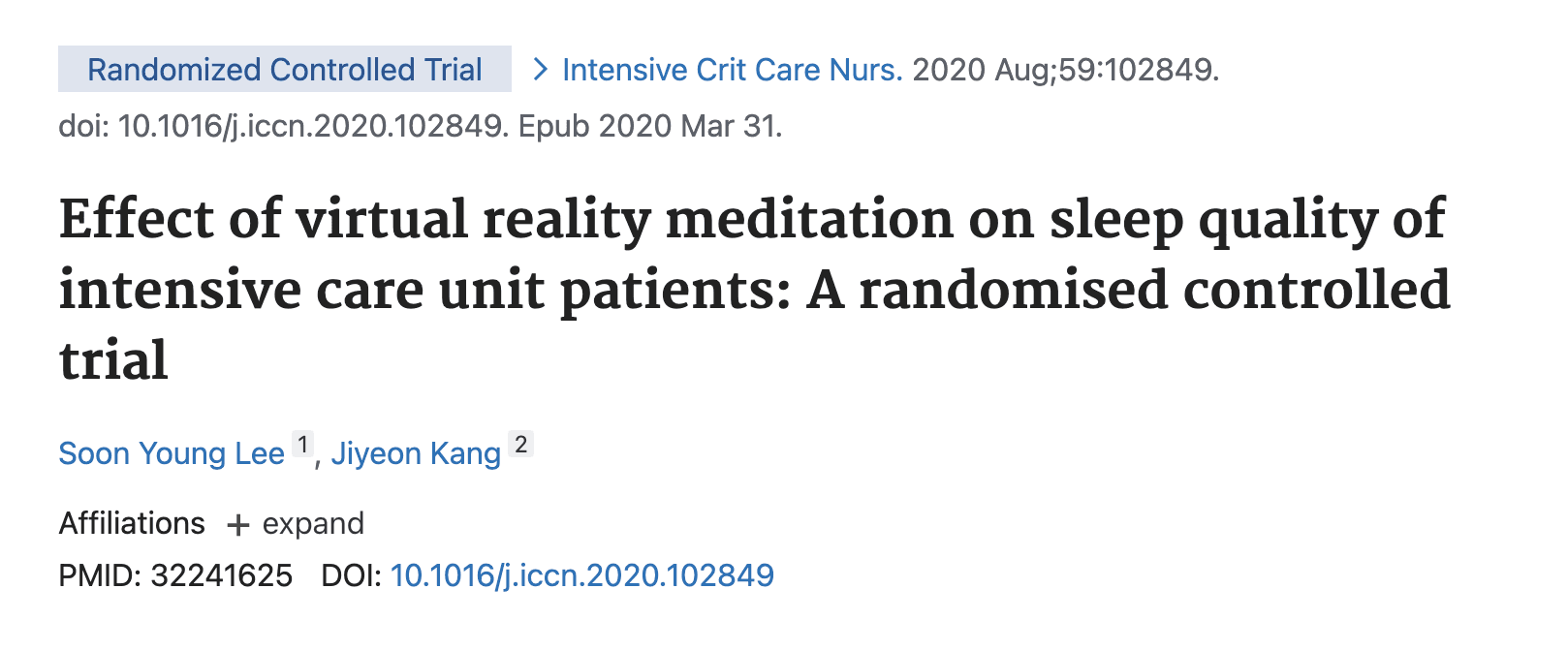
Research: VR for sleep

An overall increase in sleep quality was measured in participants.

An increase in sleepiness and decrease in alertness were measured, when using VR before sleep.
To use orange tones to filter and mitigate the impact of blue light exposure on sleep

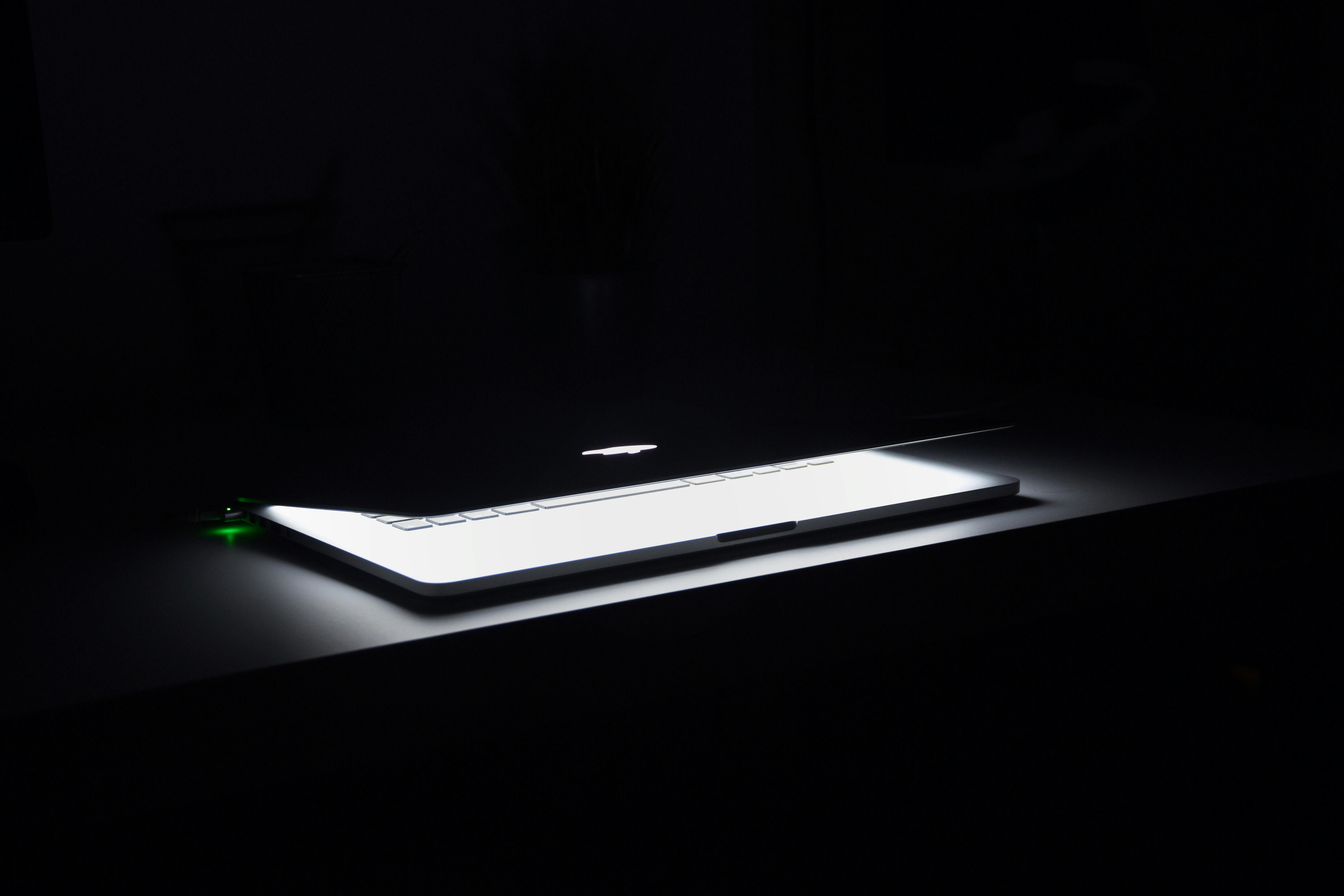
The LCD screens in VR headsets are powered by LED lights. Among the different rays of light it emits, blue light particularly suppresses the hormones our body excretes when preparing for sleep.


Several sources show how by using predominantly orange tones, the effects of blue light exposure on sleep can be counteracted. Nonetheless, this remains an area in the project where further research is needed.
Service Journey - Focusing on non-invasive touch points

Service Journey - Focusing on non-invasive touch points

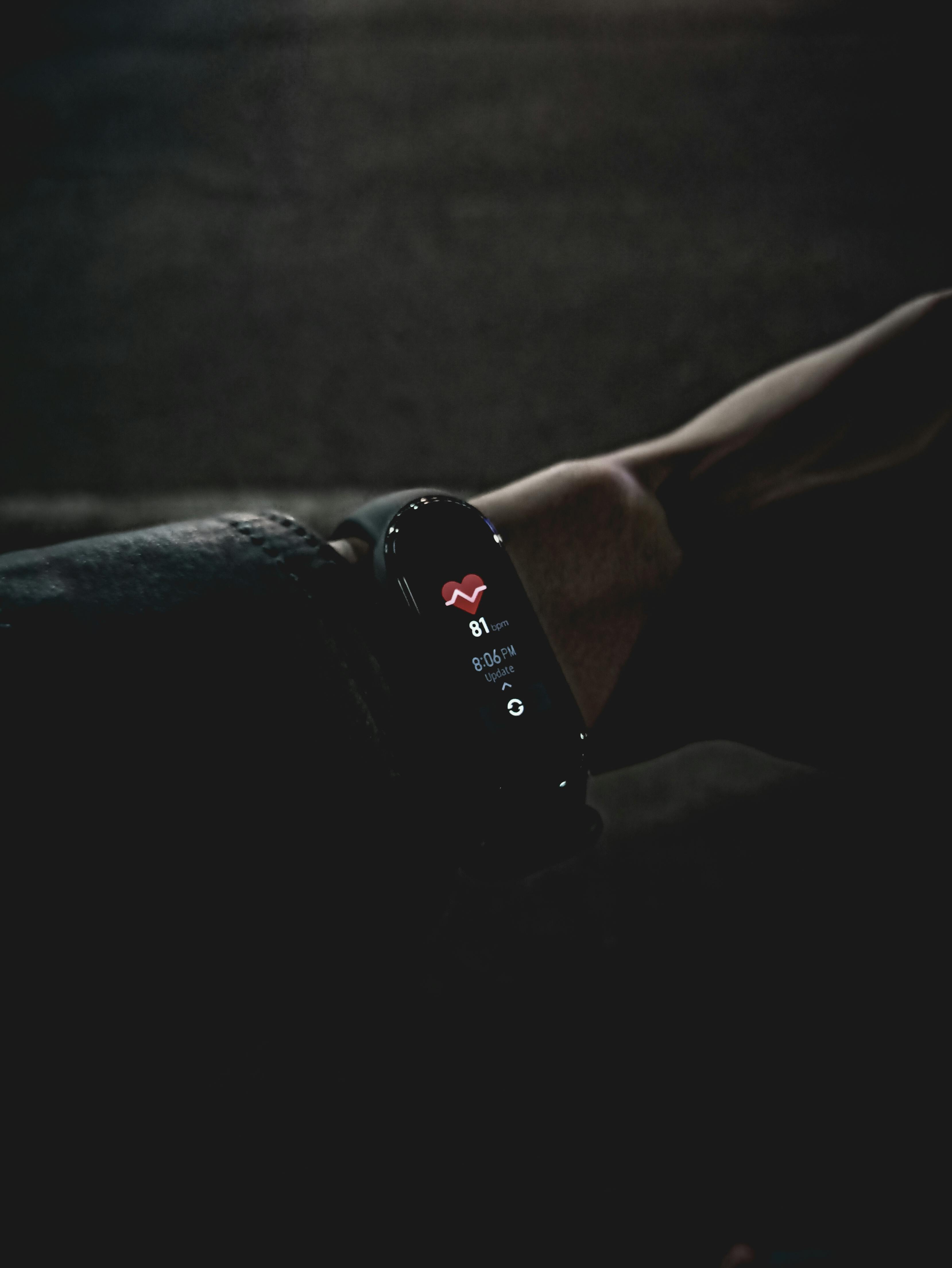
Biometric Wristband: Measuring & Communicating sleep

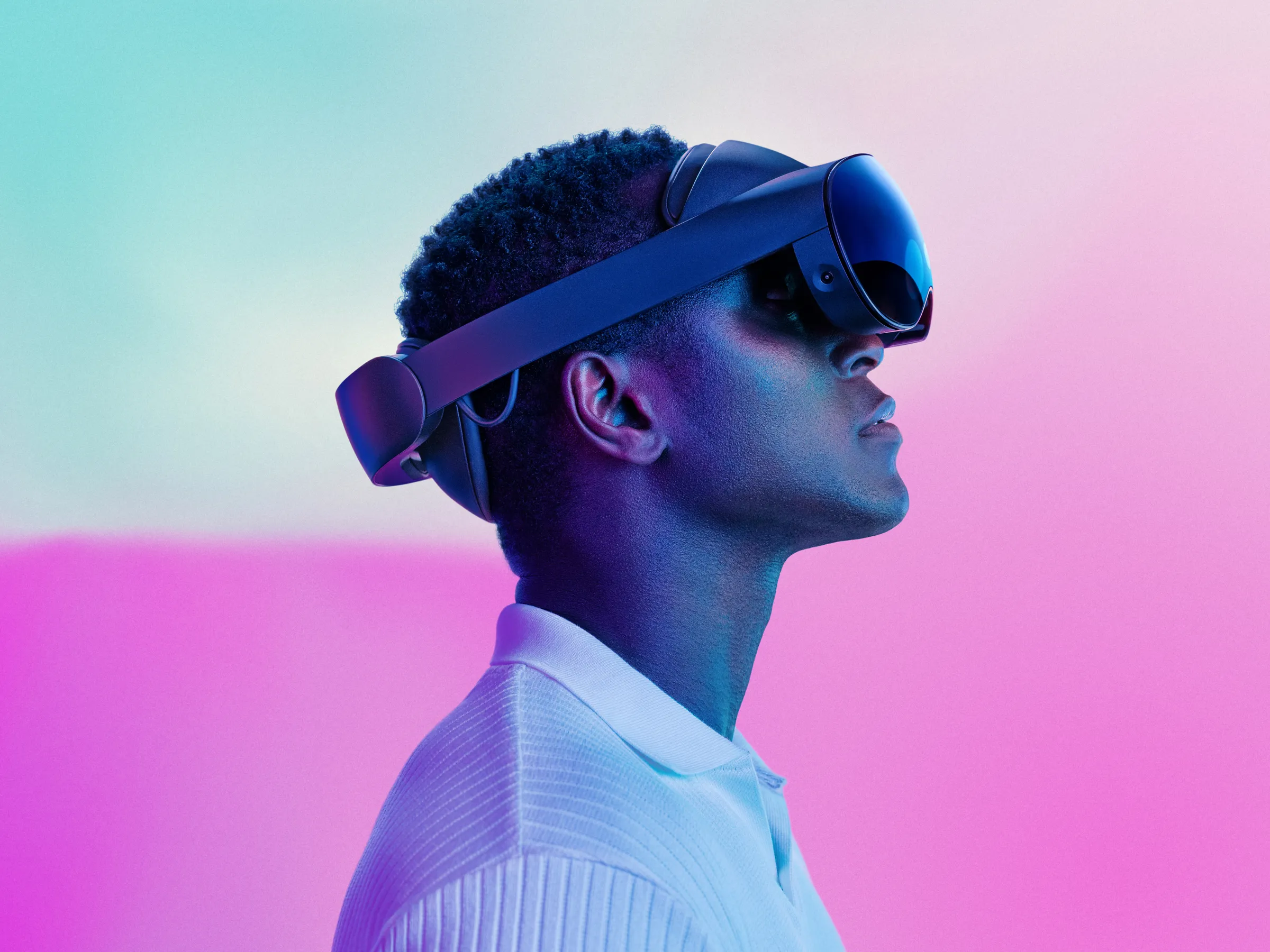
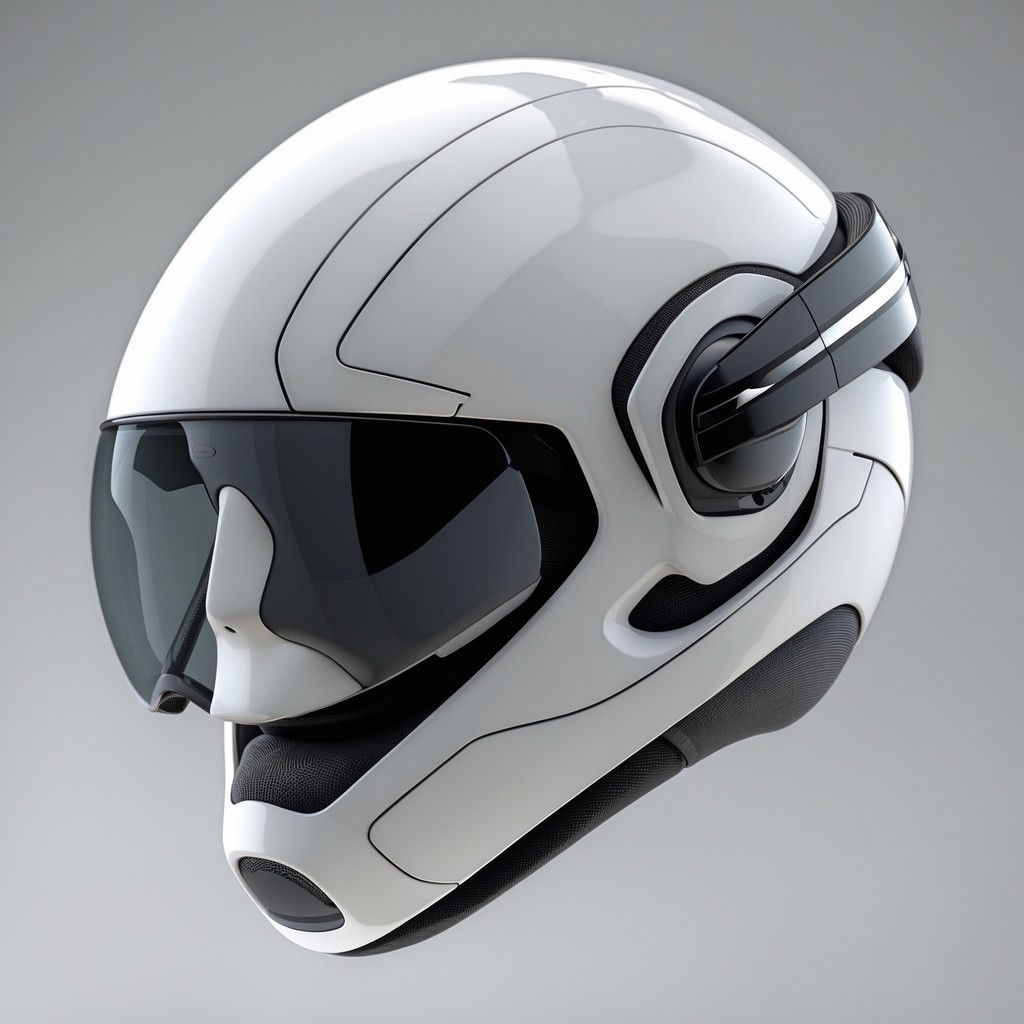
VR Sleep Helmet: Initiating sleep routine

Local Computer: Data Transmission & Collection

NASA Headquarters: Data Storage & Analysis

Biometric Wristband: Measuring & Communicating sleep

Including a biometric wearable can support astronauts throughout the day by: Indicating breaks, rest times, suggesting meal times, water intake, and cut-off times for coffee drinking to avoid sleep disturbance.

VR Sleep Helmet: Initiating sleep routine

Provides a personal and intimate space where visual and auditory media facilitate relaxation and sleep. Cognitive behavioural therapy and customised media can support environment adaption.

Local Computer: Data Transmission & Collection

The biometric wrist band and VR headset are connected to the astronaut's personal computer in the sleep pod. This connection facilitates the transmission and storage of data and running of media.

NASA Headquarters: Data Storage & Analysis

Biometric and sleep data collected by the headquarters via radio signal allows monitoring over crew performance and wellbeing.

Biometric Wristband: Measuring & Communicating sleep

Including a biometric wearable can support astronauts throughout the day by: Indicating breaks, rest times, suggesting meal times, water intake, and cut-off times for coffee drinking to avoid sleep disturbance.

VR Sleep Helmet: Initiating sleep routine

Provides a personal and intimate space where visual and auditory media facilitate relaxation and sleep. Cognitive behavioural therapy and customised media can support environment adaption.

Local Computer: Data Transmission & Collection

The biometric wrist band and VR headset are connected to the astronaut's personal computer in the sleep pod. This connection facilitates the transmission and storage of data and running of media.

NASA Headquarters: Data Storage & Analysis

Biometric and sleep data collected by the headquarters via radio signal allows monitoring over crew performance and wellbeing.

Potential of VR

Research does not show obvious downfalls from using this technology


Benefits

  • Relaxing VR experience can induce relaxing physical state

  • Fewer nocturnal awakenings

  • Less mental rumination, worry & anxiety

  • Facilitate sleep initiation

The careful application of VR-related technology has the potential to achieve an even greater movement away from an environment (primary reality) to which poor sleep may have become a conditioned response.”

The careful application of VR-related technology has the potential to achieve an even greater movement away from an environment (primary reality) to which poor sleep may have become a conditioned response.”

The careful application of VR-related technology has the potential to achieve an even greater movement away from an environment (primary reality) to which poor sleep may have become a conditioned response.”

Zambotti at al. 2020

Final Solution

A product system that tackles sleep deprivation in astronauts to enhance performance and productivity for space expeditions. Without the need to create new tech, existing technology is combined and repurposed.


AI generated images
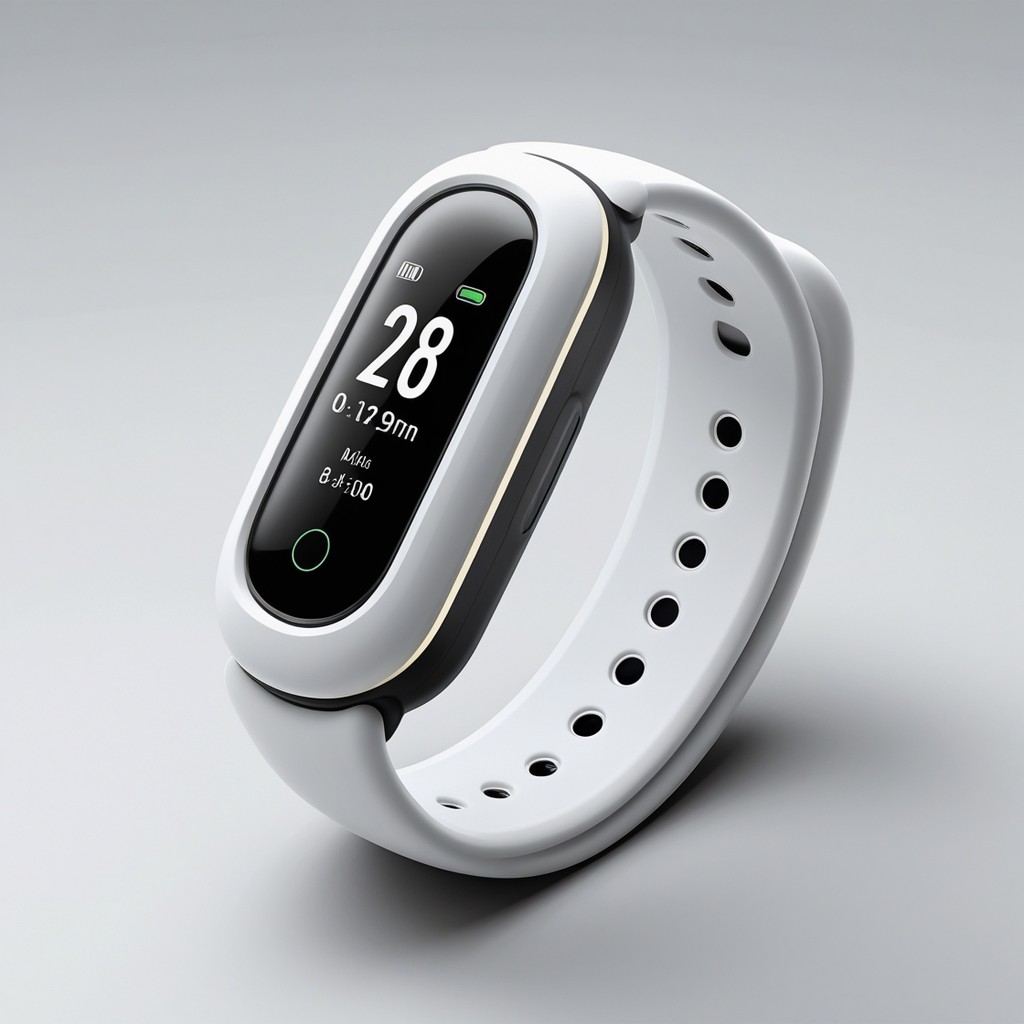
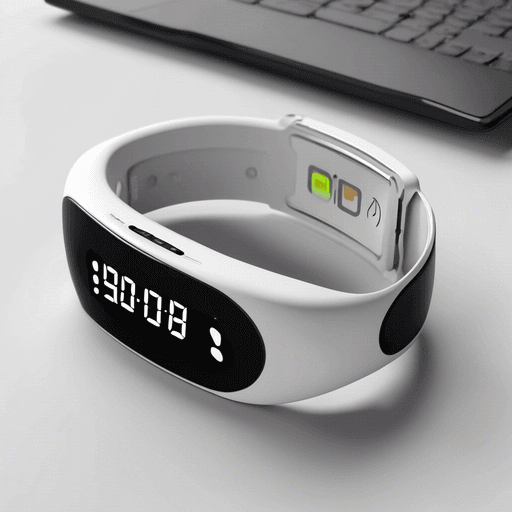
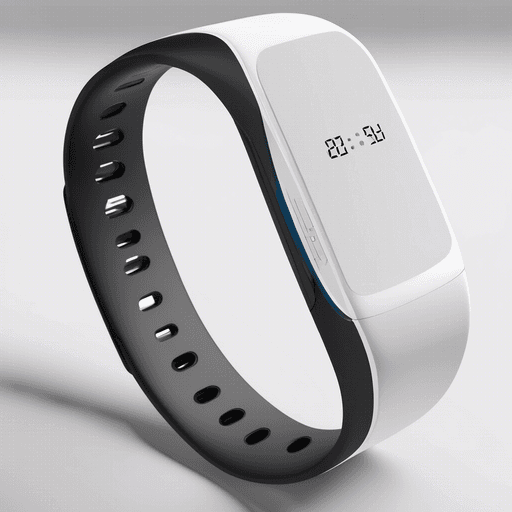
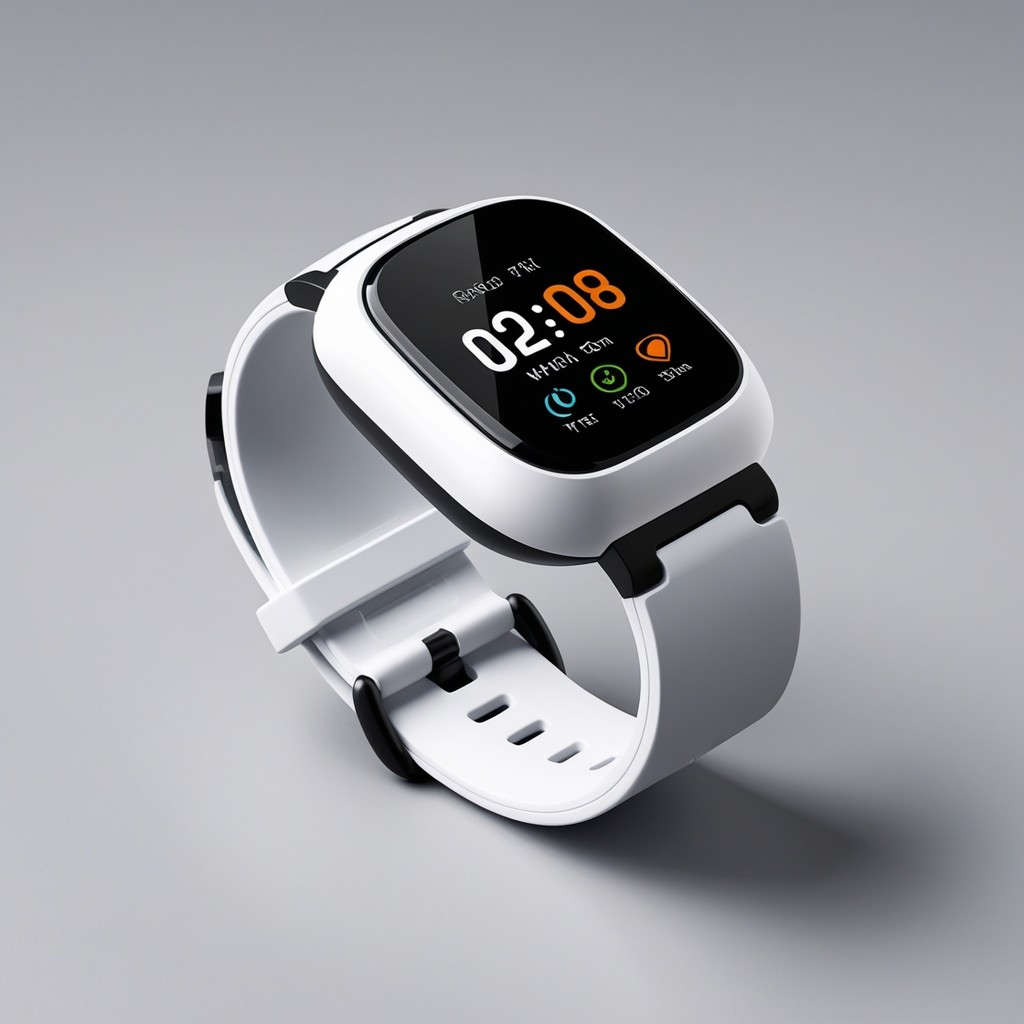
Biometric wristband


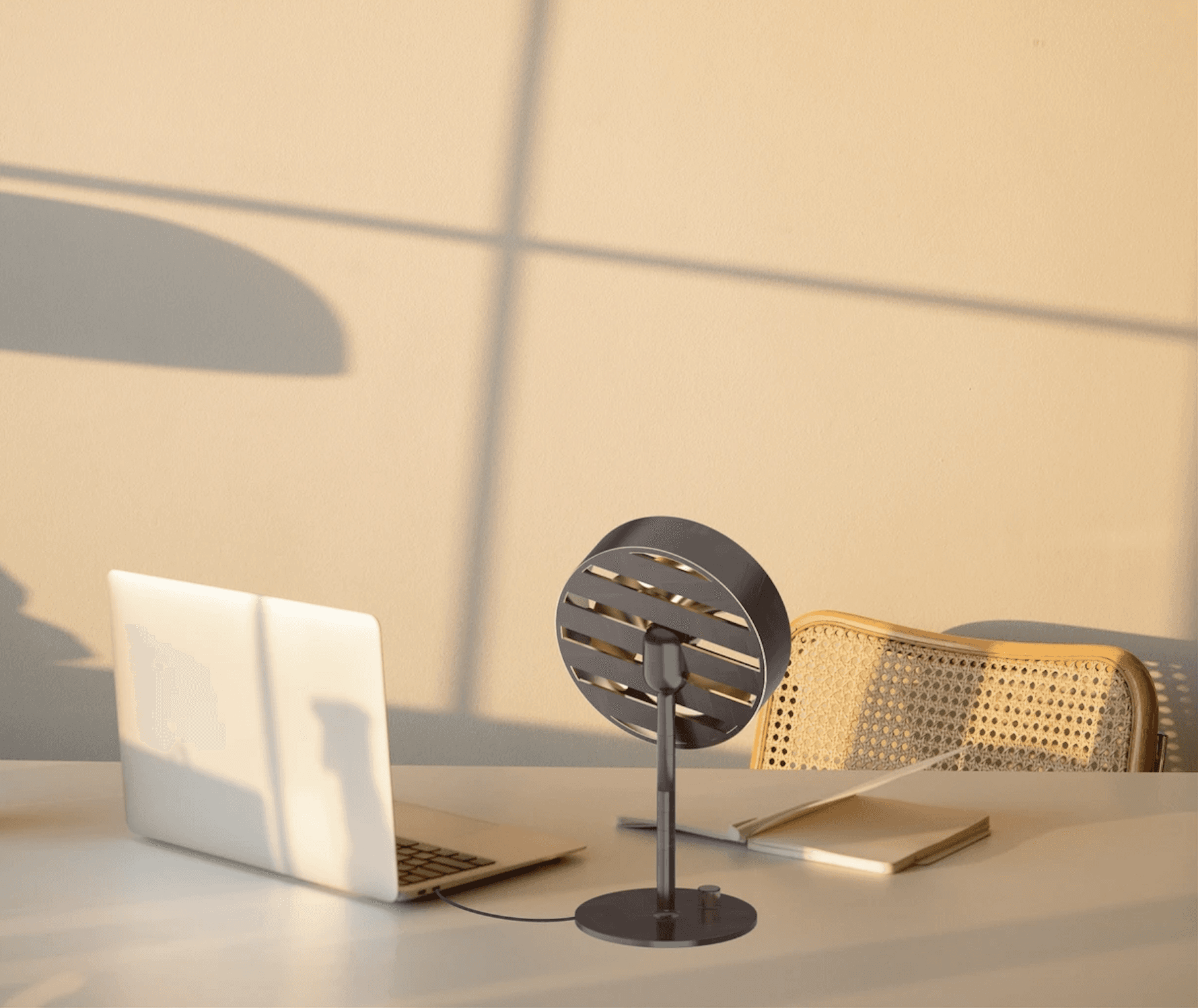
The biometric wristband tracks sleep, heart rate, and hydration. It supports healthy rest-work cycles and offers guidance on caffeine intake. With an ergonomic strap, this device seamlessly record, collects and shares feedback on astronaut health, performance and engagement with visual and audio stimuli.


AI generated images

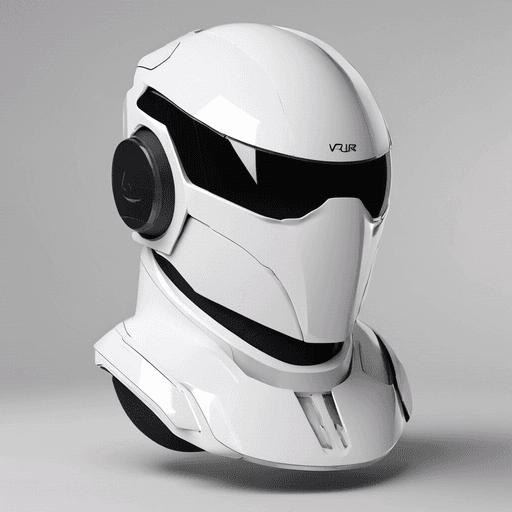
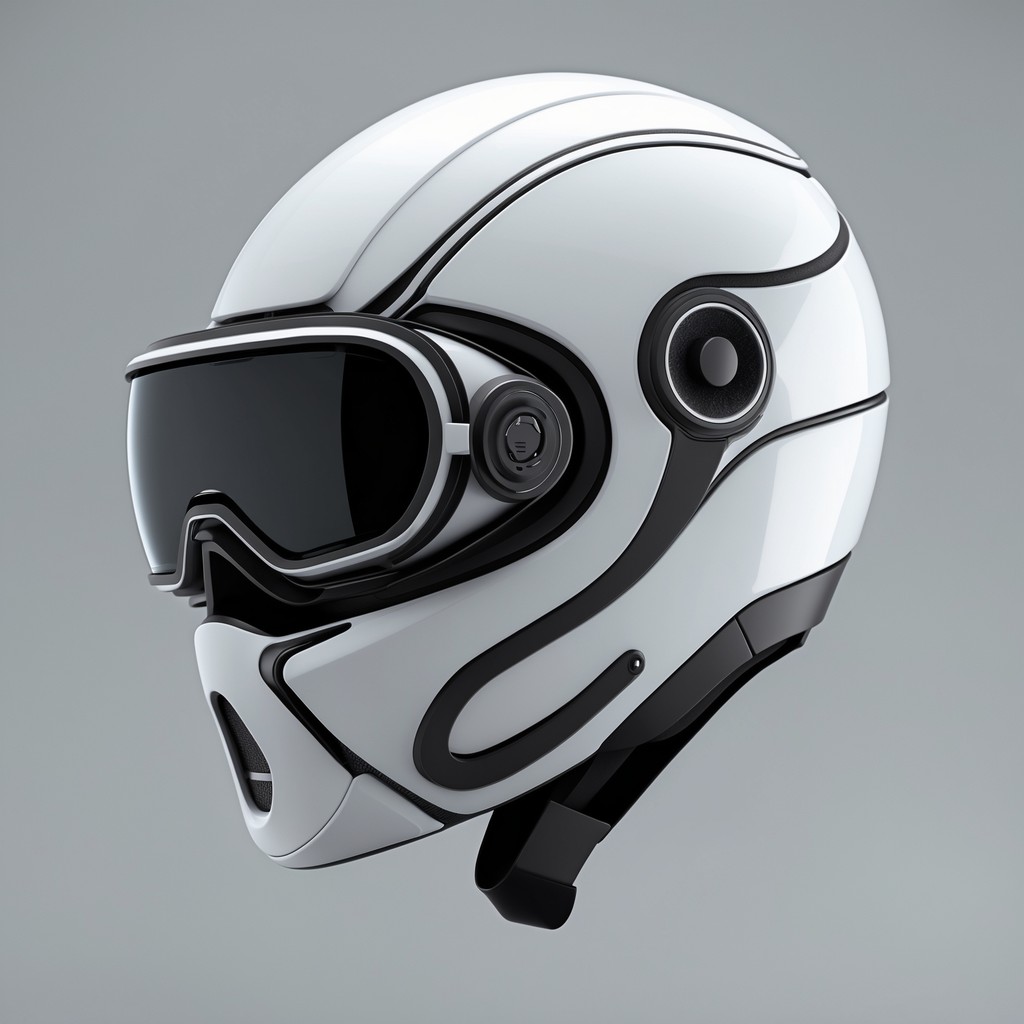
Sleep Helmet


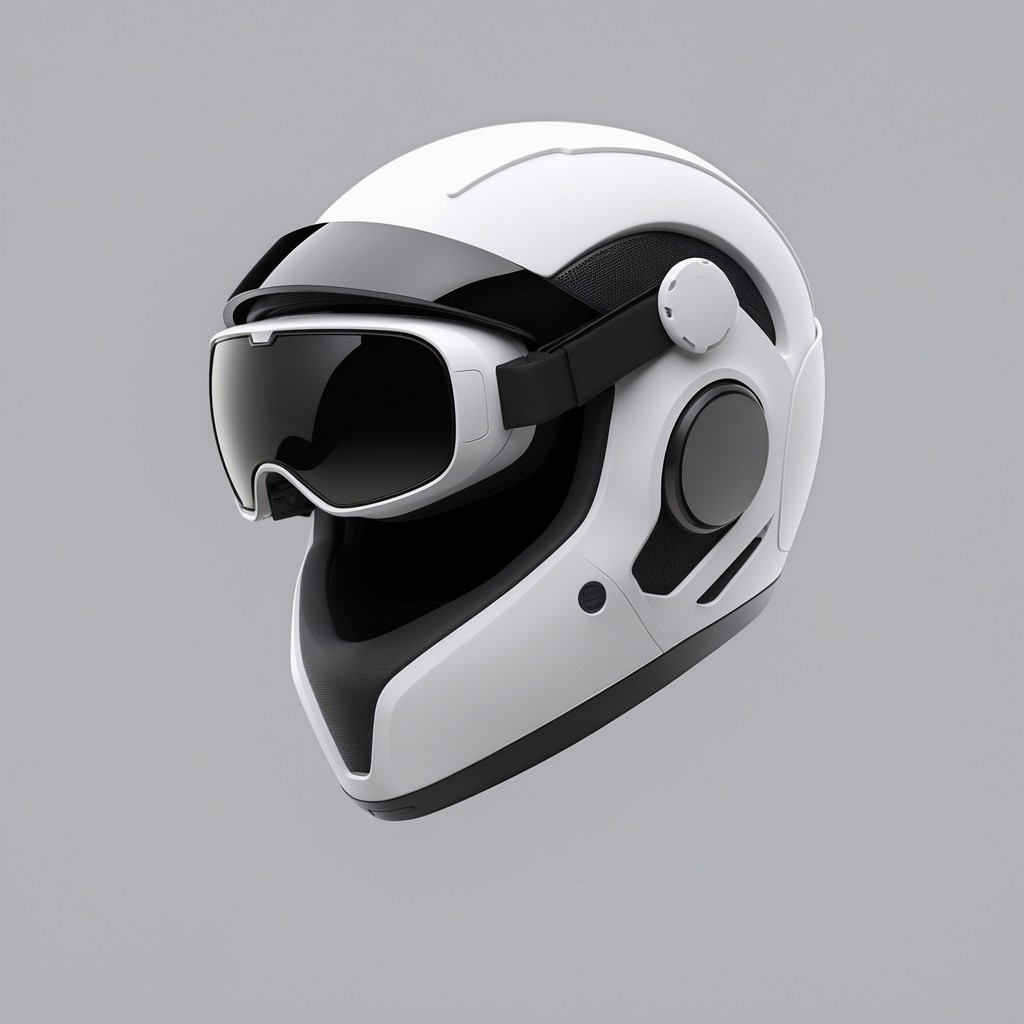
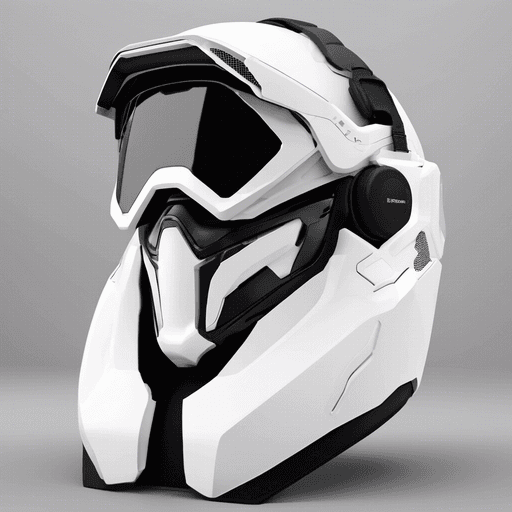
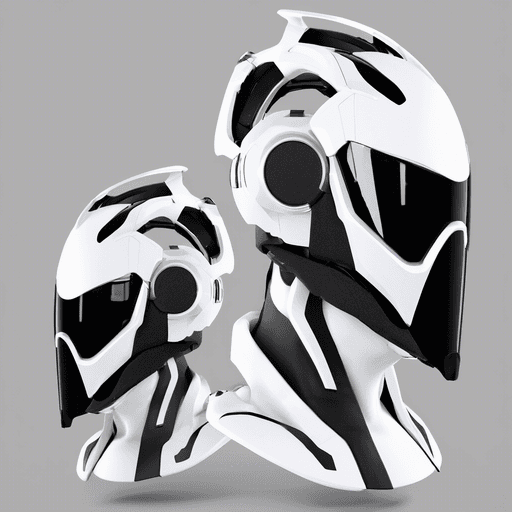
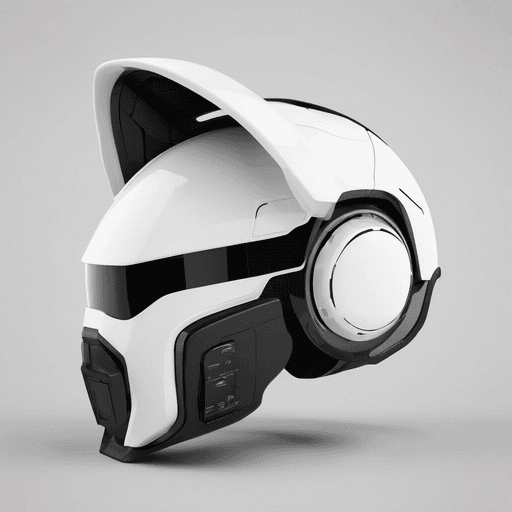
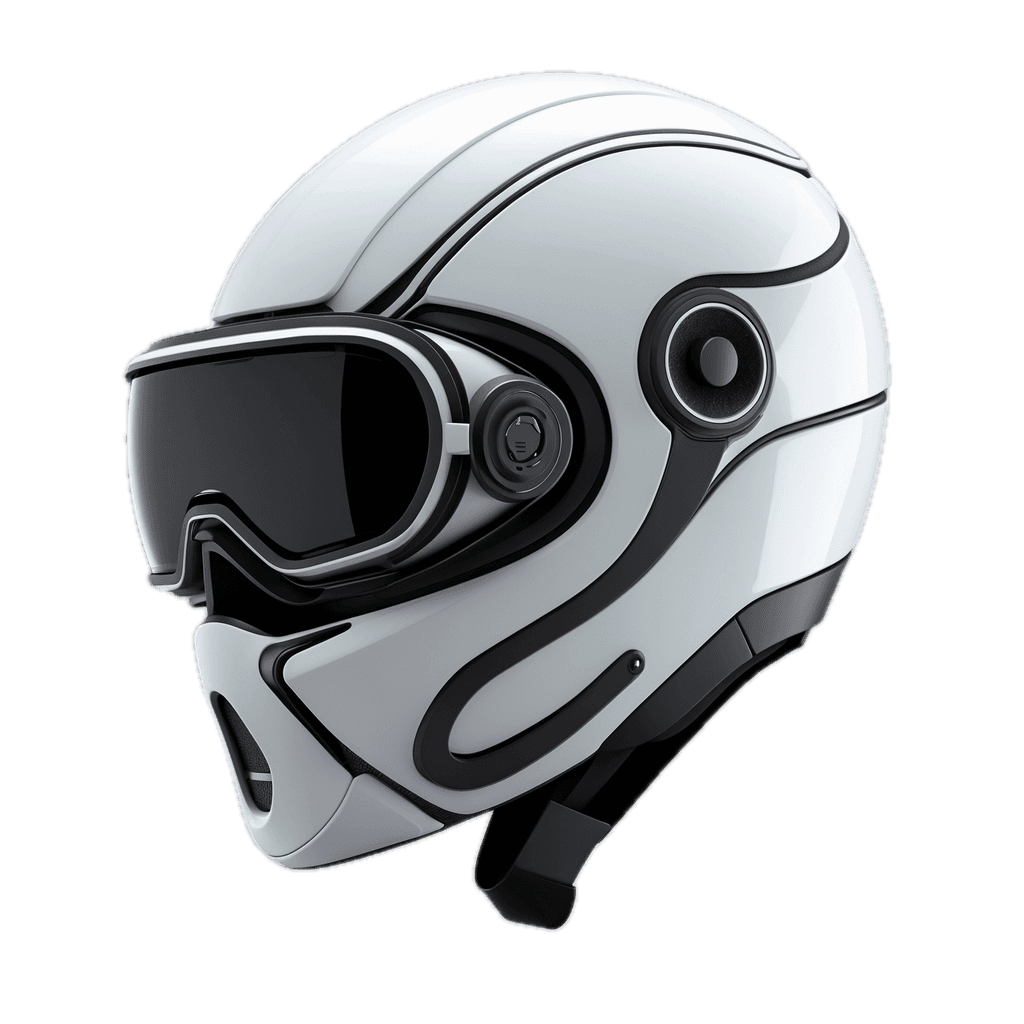
This ergonomic sleep helmet features heat-dissipating fabric, noise-cancelling audio, and a flip-up VR display. With a cushioning neck support for comfort and wall-mounted hand controls for content selection, it supports restful sleep, and connects to emergency protocols when needed.


AI generated images
visual possibilities


AI generated images

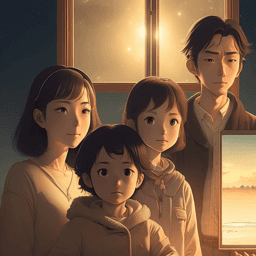
Dreamy Landscapes

Real locations, fictitious, or created by the user

Dreamy Landscapes

Real locations, fictitious, or created by the user

Dreamy Landscapes

Real locations, fictitious, or created by the user

Personal Locations

Made based on images provided by the user

Personal Locations

Made based on images provided by the user

Personal Locations

Made based on images provided by the user

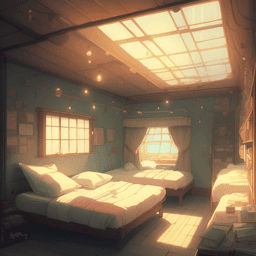
Cozy Bedrooms

To help imagine bodily comfort and mental peace

Cozy Bedrooms

To help imagine bodily comfort and mental peace

Cozy Bedrooms

To help imagine bodily comfort and mental peace

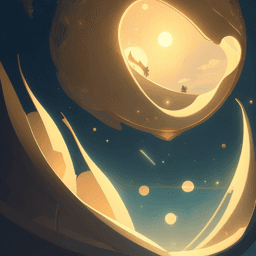
Abstract Formations

To evoke the hypnotic

Abstract Formations

To evoke the hypnotic

Abstract Formations

To evoke the hypnotic

audio possibilities


AI generated images

Sleep Scapes

To transport them mentally to a different environment

Sleep Scapes

To transport them mentally to a different environment

Sleep Scapes

To transport them mentally to a different environment

Guided Meditations

To re-centre and find mental stillness

Guided Meditations

To re-centre and find mental stillness

Guided Meditations

To re-centre and find mental stillness

Personal Messages

Recorded video or audio messages from loved ones

Personal Messages

Recorded video or audio messages from loved ones

Personal Messages

Recorded video or audio messages from loved ones

Audio Books

A less hands-on approach to a bed time read

Audio Books

A less hands-on approach to a bed time read

Audio Books

A less hands-on approach to a bed time read

Potential Impact

Reducing the environmental strain on sleep


Circadian Rhythm Misalignment: Work-rest schedule reminders on wristband & meditative conditioning through VR


Isolation & Confinement: Personal support & ability to ‘escape’


Lack of Privacy: Private & intimate virtual space & experiences


Demanding Work Loads: Health reminders during working hours


Light & Noise Stimuli from Space Stations: Sound cancelling & vision covering

For NASA


  • Better astronaut productivity

  • Better space mission results

  • Possibility for longer space expeditions

  • Quantitative data on astronaut well-being

  • Corporate responsibility on astronauts

For NASA


  • Better astronaut productivity

  • Better space mission results

  • Possibility for longer space expeditions

  • Quantitative data on astronaut well-being

  • Corporate responsibility on astronauts

Risk Mitigation

🚦

🛎️

🛎️

🚧

🚧

High risk


Emergency Situation

Sleep helmet would be connected to emergency systems to alert the user. Video and sound engagement.


Network System Failure

Could disrupt sleep performance. Have the user plug in the wrist band during sleep to maintain its data up-to date.

Mid Risk


Biometric Incorrect Data

Testing on land and in space to evaluate accuracy. Correlate sleep results with diary entries from astronauts. Anomaly detection.


Blue-light affected Sleep

Providing visuals in warm tones, night mode and having a timed allowance for visual input before sleep.

Low Risk


VR Cyber-Sickness

Providing visuals that involve slow, little or no virtual movement.


Digital Adaptability

Providing courses to teach the astronauts how to use the system. Providing visual and audio content that they’d find useful to engage with.

Validating the Concept

Biometric Sleep Data
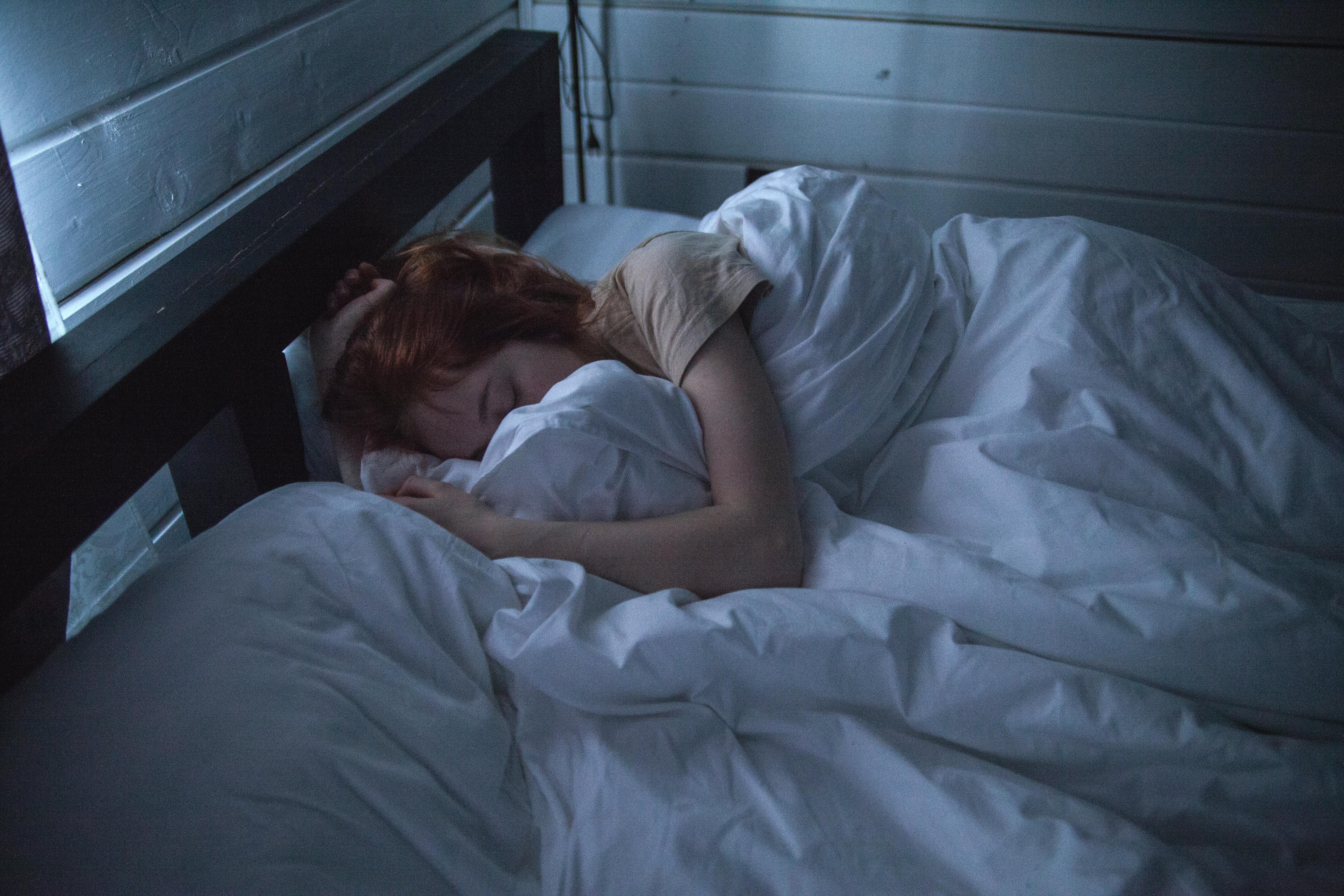
Quantitative

Collect and compare sleep data. Testing different visual and auditory inputs. Testing the impact of visual vs audio.

Data that Shows

  • Improved sleep length and type when sleeping using media inputs

  • Improved sleep length and type over a long time period

Using Diary Studies

Qualitative

Personal accounts and perceptions of the inputs. Visual spaces and visual inputs can evolve as a result. Data on prolonged sleep improvement or deterioration can be collected.

Data that Shows

  • Perceived improved mental health and increased positivity around sleep

  • Positive behaviour and acceptance of media inputs

  • Perception of sleep according to media

Using Diary Studies

Qualitative

Personal accounts and perceptions of the inputs. Visual spaces and visual inputs can evolve as a result. Data on prolonged sleep improvement or deterioration can be collected.

Data that Shows

  • Perceived improved mental health and increased positivity around sleep

  • Positive behaviour and acceptance of media inputs

  • Perception of sleep according to media

Some final words …

Personal Reflections

I really enjoyed working on this project and learning more about the ways in which a system can be built around VR to repurpose it into different contexts and provide experiences that aren't possible any other way. I would love to continue exploring the VR space and start prototyping these experiences visually.


Gaps in Knowledge

  • Ventilation of electronic hardware in space

  • The physics of sound in space

  • Sleep detection through wareables